Juniper Titmouse (Baeolophus ridgwayi) is in the Tits, Chickadees, and Titmice family (Paridae). Across the U.S., iNaturalist users have logged 2,283 research-grade observations of it in our sample, peaking in April.
Seasonal pattern in the national data: year-round resident. Counts also reflect when people are out photographing, so compare months within a state rather than across states.
When to photograph Juniper Titmouse: observations by month (U.S.)
About Juniper Titmouse
The juniper titmouse (Baeolophus ridgwayi) is a passerine bird in the tit family Paridae. The American Ornithologists' Union split the plain titmouse into the oak titmouse and the juniper titmouse in 1996, due to distinct differences in song, preferred habitat, and genetic makeup.From Wikipedia via iNaturalist — article, CC BY-SA.
Juniper Titmouse by state
| State | Observations | Peak month | Main season |
|---|---|---|---|
| Arizona | 674 | May | Apr–Mar |
| New Mexico | 667 | April | Mar–Feb |
| Utah | 359 | May | Jan–Nov |
| Colorado | 206 | April | Mar–Oct |
| Nevada | 139 | March | Oct–Apr |
| Texas | 81 | October | Oct–Feb |
| Idaho | 76 | April | Feb–Aug |
| California | 60 | May | Feb–Aug |
| Oregon | 16 | July | Jun–Jul |
Main season = months with at least 30% of the state's peak-month count.
Related birds (Tits, Chickadees, and Titmice)
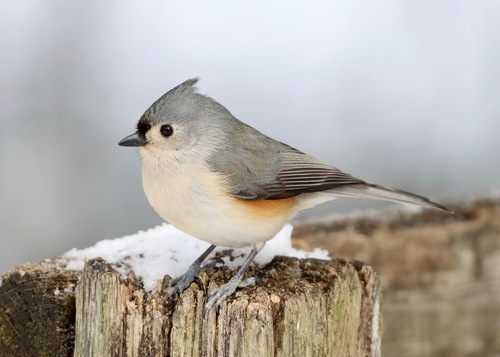
Tufted Titmouse
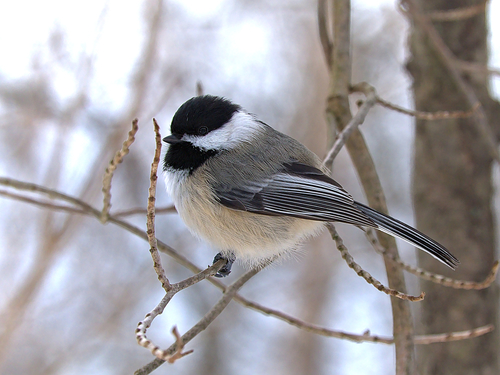
Black-capped Chickadee
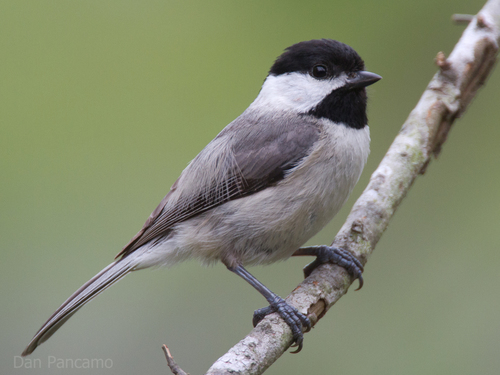
Carolina Chickadee
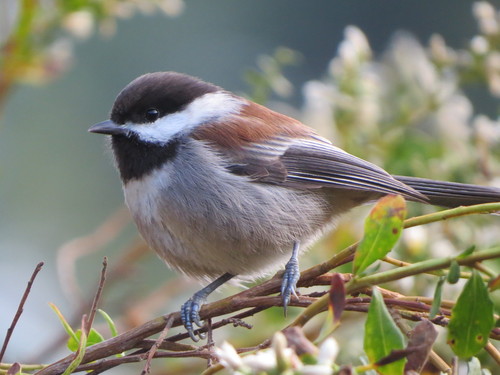
Chestnut-backed Chickadee

Oak Titmouse
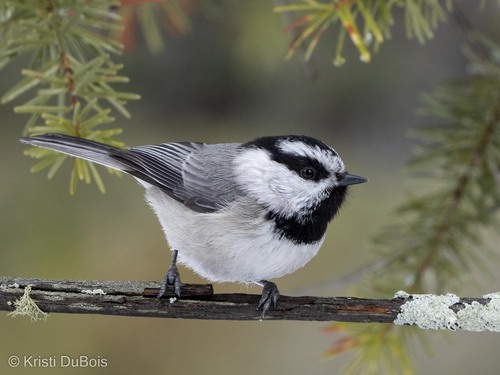
Mountain Chickadee
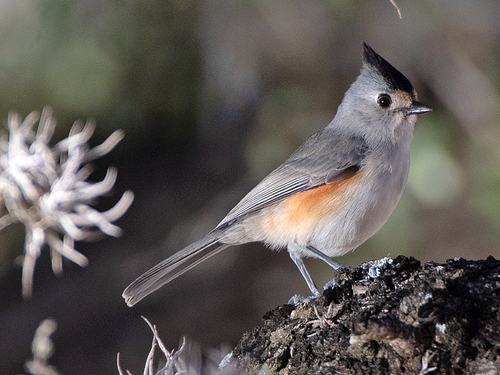
Black-crested Titmouse
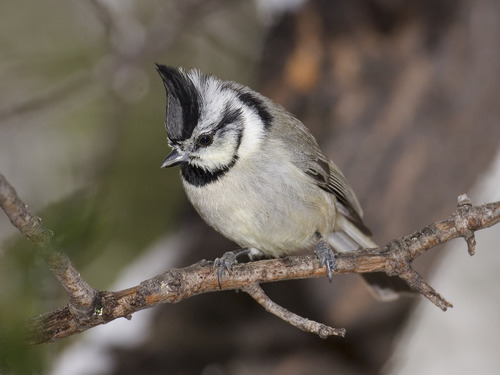
Bridled Titmouse
Photography tips
- Use a fast shutter (1/2000 s or faster) for birds in flight.
- Focus on the eye and shoot at the bird's eye level.
- Approach slowly and stop if the bird changes behavior; never bait or flush birds.
- Morning activity peaks in the first two hours after sunrise.
FAQ
When is the best time to photograph Juniper Titmouse?
Nationally, April has the most observations, with the main season from March to February.
Where is Juniper Titmouse most often seen?
The most observations come from Arizona, New Mexico, Utah.