
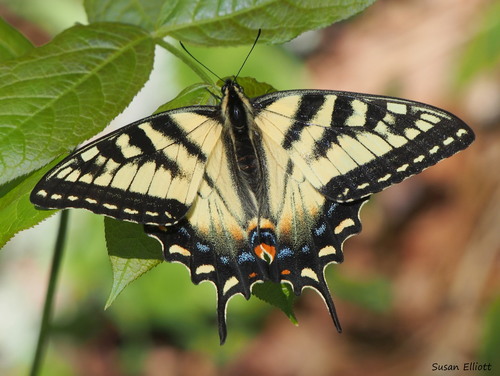
Canadian Tiger Swallowtail (Papilio canadensis) is in the Swallowtails and Parnassians family (Papilionidae). Across the U.S., iNaturalist users have logged 5,536 research-grade observations of it in our sample, peaking in June.
Seasonal pattern in the national data: seasonal. Counts also reflect when people are out photographing, so compare months within a state rather than across states.
When to photograph Canadian Tiger Swallowtail: observations by month (U.S.)
About Canadian Tiger Swallowtail
Papilio canadensis, the Canadian tiger swallowtail, is a species of butterfly in the family Papilionidae. It was once classified as a subspecies of Papilio glaucus.From Wikipedia via iNaturalist — article, CC BY-SA.
Canadian Tiger Swallowtail by state
| State | Observations | Peak month | Main season |
|---|---|---|---|
| Vermont | 1,303 | June | May–Jun |
| Maine | 1,112 | June | Jun–Jun |
| Alaska | 620 | June | Jun–Jun |
| New Hampshire | 620 | June | May–Jun |
| Minnesota | 619 | June | Jun–Jun |
| Michigan | 407 | June | Jun–Jun |
| New York | 353 | June | May–Jun |
| Wisconsin | 258 | June | Jun–Jun |
| Massachusetts | 161 | June | May–Jun |
| Montana | 37 | July | Jun–Jul |
| South Dakota | 19 | June | May–Jun |
| North Dakota | 11 | May | May–Jun |
| Connecticut | 10 | June | May–Jun |
Main season = months with at least 30% of the state's peak-month count.
Related butterflies (Swallowtails and Parnassians)
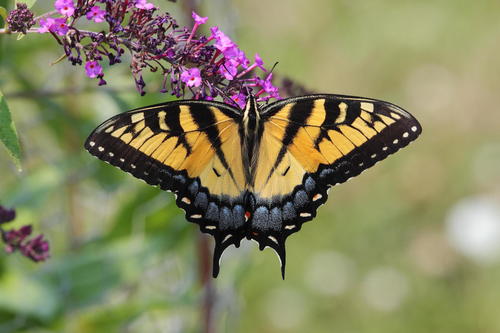
Eastern Tiger Swallowtail
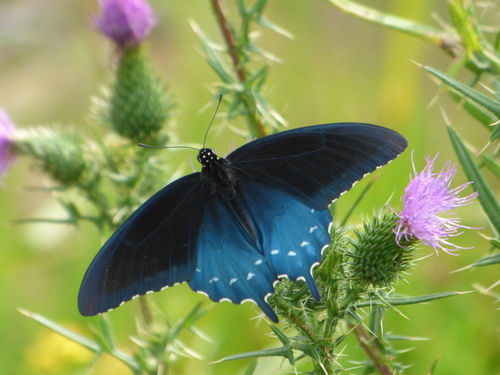
Pipevine Swallowtail
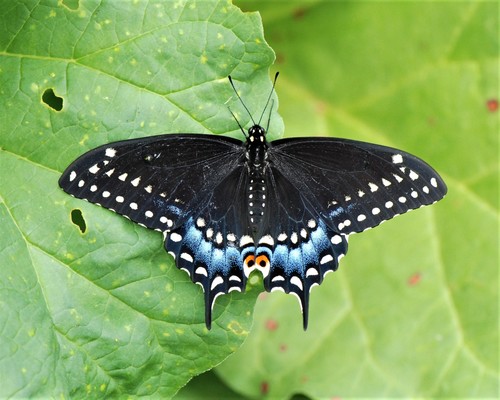
Black Swallowtail
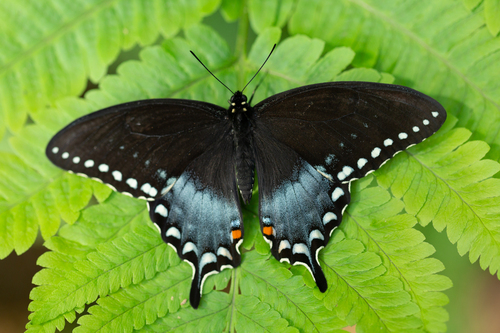
Spicebush Swallowtail
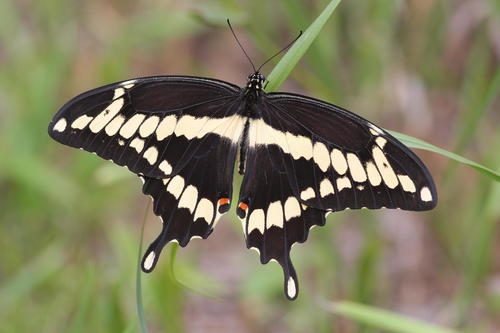
Eastern Giant Swallowtail
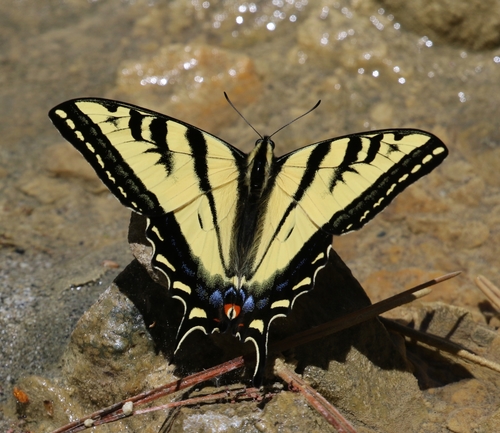
Western Tiger Swallowtail
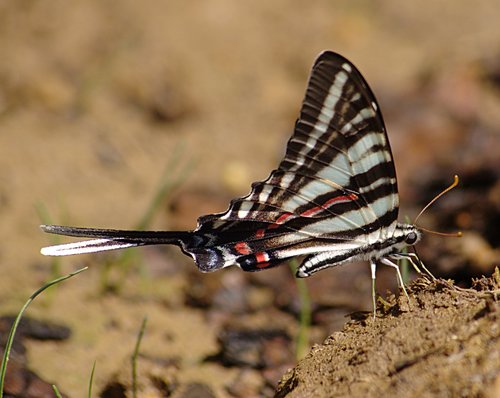
Zebra Swallowtail
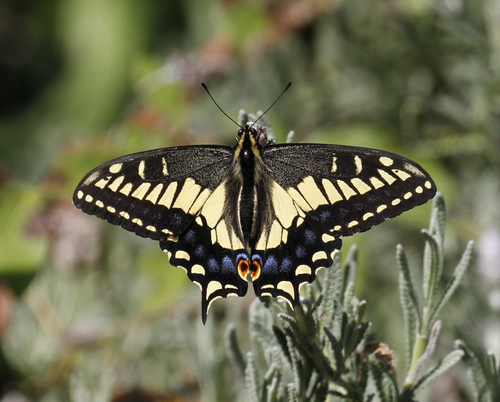
Anise Swallowtail
Photography tips
- Butterflies are sluggish on cool mornings — the best time for close approaches.
- Keep the sensor parallel to the wings for edge-to-edge sharpness.
- Nectar plants in bloom are reliable places to wait.
FAQ
When is the best time to photograph Canadian Tiger Swallowtail?
Nationally, June has the most observations, with the main season from June to June.
Where is Canadian Tiger Swallowtail most often seen?
The most observations come from Vermont, Maine, Alaska.