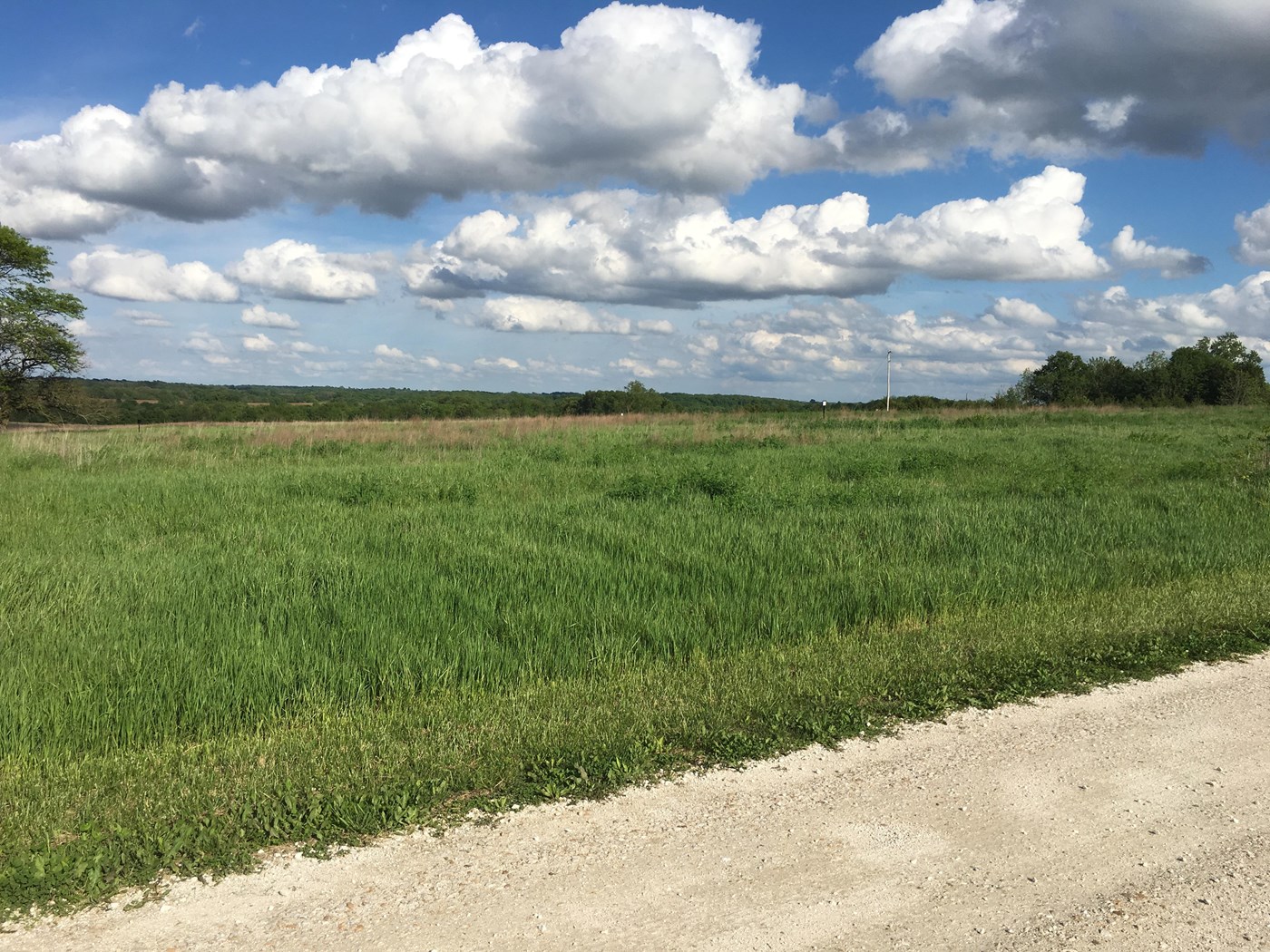
New Philadelphia National Historic Site is a National Historic Site in Illinois. This guide combines the park's official information with computed sunrise, sunset and Milky Way times, satellite climate data and 1 photo locations inside or next to the park.
Best photo spots in New Philadelphia
We matched 1 named overlooks, waterfalls, peaks and other features to New Philadelphia. Each has its own page with sun directions and a monthly golden hour table.
Ghost Towns (1)

Sunrise, sunset & golden hour
At New Philadelphia the sunrise point swings a long way through the year: about 58° (ENE) at the June solstice and 121° (ESE) in late December. Sunset moves from 302° (WNW) in June to 240° (WSW) in December, and the midday sun climbs to 74° in summer but only 27° in winter.
| Month (15th) | Sunrise | Golden hour ends | Golden hour starts | Sunset | Sunset az. | Daylight |
|---|---|---|---|---|---|---|
| January | 7:24 AM | 8:05 AM | 4:23 PM | 5:04 PM | 243° | 9h 40m |
| February | 6:57 AM | 7:35 AM | 5:03 PM | 5:40 PM | 254° | 10h 43m |
| March | 7:16 AM | 7:52 AM | 6:35 PM | 7:11 PM | 268° | 11h 55m |
| April | 6:27 AM | 7:03 AM | 7:06 PM | 7:42 PM | 284° | 13h 15m |
| May | 5:50 AM | 6:29 AM | 7:33 PM | 8:12 PM | 296° | 14h 22m |
| June | 5:36 AM | 6:17 AM | 7:54 PM | 8:34 PM | 302° | 14h 58m |
| July | 5:49 AM | 6:29 AM | 7:52 PM | 8:32 PM | 299° | 14h 43m |
| August | 6:17 AM | 6:54 AM | 7:25 PM | 8:02 PM | 289° | 13h 45m |
| September | 6:46 AM | 7:21 AM | 6:39 PM | 7:14 PM | 275° | 12h 29m |
| October | 7:15 AM | 7:51 AM | 5:49 PM | 6:26 PM | 260° | 11h 11m |
| November | 6:49 AM | 7:29 AM | 4:10 PM | 4:50 PM | 247° | 10h 00m |
| December | 7:19 AM | 8:01 AM | 3:59 PM | 4:41 PM | 240° | 9h 23m |
Computed for the park's reference point (39.6980, -90.9613); large parks span several minutes of difference.
Milky Way & dark skies
From New Philadelphia, the Milky Way core is visible in a dark sky from March through September. June gives the longest window (about 4.8 hours on a moonless night), and the core peaks around 21° above the southern horizon. Our light-pollution model puts the sky at about Bortle 3 (rural sky), good enough for detailed Milky Way images.
| Month | Core visible (15th) | Hours | Max altitude |
|---|---|---|---|
| January | Not visible in darkness | — | — |
| February | 5:11 AM – 5:21 AM | 0.2 | 11° |
| March | 4:21 AM – 5:41 AM | 1.3 | 18° |
| April | 2:19 AM – 4:49 AM | 2.5 | 21° |
| May | 12:22 AM – 3:52 AM | 3.5 | 21° |
| June | 10:36 PM – 3:26 AM | 4.8 | 21° |
| July | 10:28 PM – 2:08 AM | 3.7 | 21° |
| August | 9:43 PM – 12:03 AM | 2.3 | 21° |
| September | 8:46 PM – 10:06 PM | 1.3 | 18° |
| October | 7:56 PM – 8:06 PM | 0.2 | 12° |
| November | Not visible in darkness | — | — |
| December | Not visible in darkness | — | — |
3 Estimated Bortle 3 — Rural sky. Some light domes sit on the horizon, but the Milky Way still looks complex overhead.
Weather & best time to visit
Temperatures at our site can range from 0°F (-18°C) in the winter to 95°F (35°C) or warmer in the summer. Summers can be very humid, with intense sun, rainstorms, thunderstorms possible. Snow and occasional blizzard conditions are possible in the winter. Please dress appropriately for potential weather conditions and plan ahead.
Weather overview: National Park Service.
Long-term NASA satellite data for this area show September as the clearest month (about 42% average cloud cover) and February as the cloudiest (66%). July is the warmest month and January the coldest, which matters for gear, snow access and how long batteries last at night.
Average cloud cover (%)
Average high (°F)
Photography permits, drones & fees
Permits. Under federal law (54 U.S.C. 100905), still photography in National Park Service areas needs a permit only when it (1) takes place where members of the public are not allowed, (2) uses models, sets or props that are not part of the location's natural or cultural resources or administrative facilities, or (3) would cause the park to incur additional administrative costs to monitor the activity. Ordinary visitor and most landscape photography needs no permit. Commercial filming rules are separate and have changed in recent years — confirm current requirements with the park before a paid shoot.
Drones. Launching, landing or operating unmanned aircraft (drones) is prohibited in National Park Service units under a 2014 Superintendent's closure (36 CFR 1.5), except where a park has issued specific written approval. Flying from outside the boundary over park land can also violate park rules and disturb wildlife.
Getting there
New Philadelphia National Historic Site is in rural western Illinois between the Mississippi and Illinois rivers near Interstate 72. The site can be reached by turning onto 306th Lane from County Highway 2. An informational kiosk is immediately on the left after turning onto 306th Lane. The small city of Barry lies two miles west and has the nearest services. Hannibal, Missouri, is 27 miles west. Springfield, Illinois, is 76 miles east. St. Louis lies about 115 miles south.
Directions: National Park Service.
Activities
- Guided Tours
Nearby parks
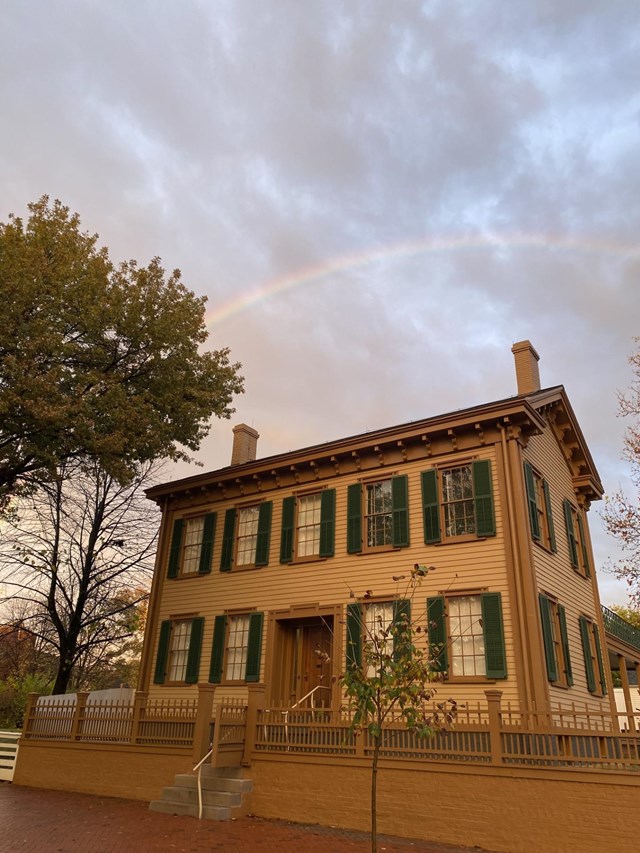 IL
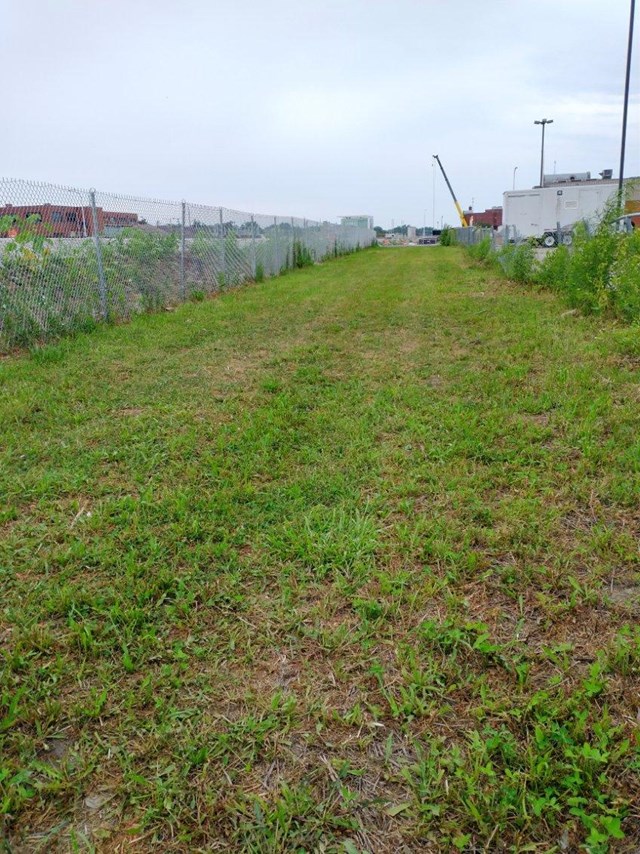 IL
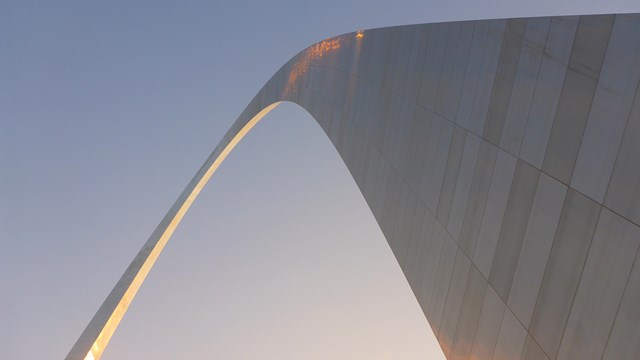 MO
 MO