
Clyde Holliday State Recreation Site — a state park in Grant County, Oregon — is a lesser-known subject for landscape photographers. The nearest town is John Day, about 10.7 km (6.6 mi) away (Clyde Holliday State Recreation Site lies W of town).
The Clyde Holliday State Recreation Site, part of the system of state parks managed by the Oregon Parks and Recreation Department, offers seasonal camping opportunities in a wooded tract along the John Day River near Mount Vernon. The park lies between U.S. Route 26 and the river and is 8 miles (13 km) west of the city of John Day. Camping opportunities between March 1 and November 30 at the park include tenting, primitive camping, tepees, and recreational vehicles (RVs). Electric hookups, hot showers, flush toilets, and an RV dump station are available. Activities at the park include wildlife watching, fishing, horseshoes, picnics, music, and interpretive programs at an outdoor amphitheater.From the Wikipedia article “Clyde Holliday State Recreation Site”, licensed under CC BY-SA 4.0.
Sunrise & sunset directions
At Clyde Holliday State Recreation Site the sunrise point swings a long way through the year: about 55° (NE) at the June solstice and 123° (ESE) in late December. Sunset moves from 305° (NW) in June to 237° (WSW) in December, and the midday sun climbs to 69° in summer but only 22° in winter.
| Date | Sunrise | Azimuth | Sunset | Azimuth | Noon sun | Daylight |
|---|---|---|---|---|---|---|
| March equinox (Mar 20) | 7:00 AM | 90° E | 7:09 PM | 271° W | 45° | 12h 09m |
| June solstice (Jun 21) | 5:13 AM | 55° NE | 8:45 PM | 305° NW | 69° | 15h 32m |
| September equinox (Sep 22) | 6:44 AM | 89° E | 6:56 PM | 271° W | 46° | 12h 11m |
| December solstice (Dec 21) | 7:30 AM | 123° ESE | 4:20 PM | 237° WSW | 22° | 8h 50m |
Azimuth is measured clockwise from true north (90° = east, 270° = west). Computed for 2026; values change by less than a degree from year to year.
Golden hour & blue hour by month
State parks often protect a signature feature — a gorge, lake or overlook — that is best in early morning before visitors and harsh light arrive.
| Month (15th) | Blue hour starts | Sunrise | Golden hour ends | Golden hour starts | Sunset | Blue hour ends | Daylight |
|---|---|---|---|---|---|---|---|
| January | 6:57 AM | 7:30 AM | 8:16 AM | 3:57 PM | 4:43 PM | 5:15 PM | 9h 13m |
| February | 6:27 AM | 6:57 AM | 7:38 AM | 4:45 PM | 5:26 PM | 5:56 PM | 10h 28m |
| March | 6:41 AM | 7:10 AM | 7:48 AM | 6:24 PM | 7:03 PM | 7:32 PM | 11h 53m |
| April | 5:43 AM | 6:13 AM | 6:52 AM | 7:02 PM | 7:41 PM | 8:11 PM | 13h 28m |
| May | 4:56 AM | 5:30 AM | 6:12 AM | 7:35 PM | 8:17 PM | 8:51 PM | 14h 47m |
| June | 4:35 AM | 5:12 AM | 5:57 AM | 7:59 PM | 8:43 PM | 9:20 PM | 15h 31m |
| July | 4:51 AM | 5:27 AM | 6:10 AM | 7:56 PM | 8:39 PM | 9:15 PM | 15h 13m |
| August | 5:29 AM | 6:00 AM | 6:40 AM | 7:23 PM | 8:03 PM | 8:35 PM | 14h 03m |
| September | 6:07 AM | 6:36 AM | 7:14 AM | 6:30 PM | 7:09 PM | 7:38 PM | 12h 33m |
| October | 6:43 AM | 7:12 AM | 7:52 AM | 5:34 PM | 6:14 PM | 6:43 PM | 11h 02m |
| November | 6:22 AM | 6:53 AM | 7:37 AM | 3:46 PM | 4:30 PM | 5:02 PM | 9h 37m |
| December | 6:53 AM | 7:27 AM | 8:14 AM | 3:30 PM | 4:18 PM | 4:52 PM | 8h 52m |
Local time (America/Los Angeles), including daylight saving time. Golden hour runs from about −4° to +6° solar altitude, so the morning golden hour begins during blue hour, before sunrise.
Milky Way & night sky
From Clyde Holliday State Recreation Site, the Milky Way core is visible in a dark sky from March through September. June gives the longest window (about 3.5 hours on a moonless night), and the core peaks around 17° above the southern horizon. Our light-pollution model puts the sky at about Bortle 1 (excellent dark-sky site), which is excellent for astrophotography.
| Month | Core visible (15th) | Hours | Max altitude | Direction |
|---|---|---|---|---|
| January | Below 10° in darkness | — | -3° | — |
| February | Below 10° in darkness | — | 8° | — |
| March | 4:50 AM – 5:30 AM | 0.7 | 13° | SSE → SSE |
| April | 2:47 AM – 4:17 AM | 1.5 | 16° | SSE → S |
| May | 12:54 AM – 3:14 AM | 2.3 | 17° | SSE → S |
| June | 11:12 PM – 2:42 AM | 3.5 | 17° | SSE → SSW |
| July | 10:57 PM – 1:17 AM | 2.3 | 17° | S → SSW |
| August | 9:56 PM – 11:16 PM | 1.3 | 16° | SSW → SSW |
| September | 8:48 PM – 9:18 PM | 0.5 | 13° | SSW → SSW |
| October | Below 10° in darkness | — | 7° | — |
| November | Below 10° in darkness | — | -3° | — |
| December | Below 10° in darkness | — | -20° | — |
Window when the galactic core is at least 10° high during astronomical darkness on the 15th of each month. Pick nights within a few days of the new moon. Plan exact nights with the Milky Way planner.
Estimated sky darkness: 1 Bortle 1 — Excellent dark-sky site. The Milky Way casts faint shadows; zodiacal light and airglow are obvious. Modeled zenith brightness ≈ 21.92 mag/arcsec². Aurora needs roughly Kp 6.0+ to show low on the northern horizon here.
Weather & best season
Long-term NASA satellite data for this area show July as the clearest month (about 24% average cloud cover) and December as the cloudiest (75%). July is the warmest month and December the coldest, which matters for gear, snow access and how long batteries last at night.
Average cloud cover (%)
| Jan | Feb | Mar | Apr | May | Jun | Jul | Aug | Sep | Oct | Nov | Dec | |
|---|---|---|---|---|---|---|---|---|---|---|---|---|
| High °F | 58 | 60 | 74 | 82 | 92 | 99 | 103 | 101 | 99 | 87 | 69 | 57 |
| Low °F | -10 | -2 | 12 | 19 | 24 | 30 | 40 | 37 | 28 | 13 | 1 | -10 |
| Precip. (in) | 2.0 | 1.7 | 1.9 | 1.9 | 2.0 | 1.4 | 0.4 | 0.5 | 0.7 | 1.4 | 1.9 | 2.6 |
Monthly climatology for the surrounding 1° grid cell from NASA POWER (MERRA-2). Mountain sites can be colder and cloudier than the cell average.
Photography tips for this state park
- Trail maps often mark overlooks — combine them with the sun azimuth to plan.
- Day-use fees or passes are common; buy them online before arriving.
- Check park hours: many state parks close at dusk, which affects sunset and night shooting.
- Ask rangers about photography permits for commercial work, models or drones.
- Bring a spare battery — cold weather and long exposures drain them fast.
Season: Spring wildflowers and autumn color are peak seasons in most parks.
Suggested gear: Versatile zoom lens, Tripod, Park pass. Work out exposures with the depth of field, ND filter and NPF rule calculators.
Permits, drones & access
Drones: Drone rules in state parks vary by state and even by park — many require a permit or ban recreational drone flights. Check the park's rules and the FAA B4UFLY app before flying.
Nearby photo spots
Other locations within 40 km of Clyde Holliday State Recreation Site, closest first.
 Hot Spring
 State ParkHot Spring
 Natural Arch
 Wilderness AreaHot Spring
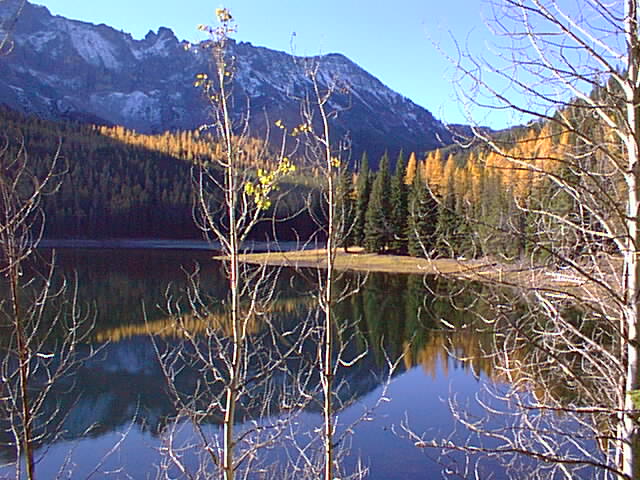 National Forest
 Mountain Pass
 Mountain Peak
Campgrounds nearby (Recreation.gov)
- Fall Mountain Lookout Cabin14.1 km (8.8 mi) · reservable
- Magone Lake20 km (13 mi) · reservable
- Murderers Creek Guard Station23 km (14 mi) · reservable
FAQ
When is the best time to photograph Clyde Holliday State Recreation Site?
What time is golden hour at Clyde Holliday State Recreation Site?
Where does the sun rise and set at Clyde Holliday State Recreation Site?
Can you see the Milky Way from Clyde Holliday State Recreation Site?
Do you need a permit to photograph at Clyde Holliday State Recreation Site?
How far is Clyde Holliday State Recreation Site from John Day?
Sources
Location data: Wikidata, Wikipedia. Sun, moon and Milky Way times are computed by LWPhoto Atlas for 2026. Climate: NASA POWER. Sky darkness is a population-based estimate (Walker's law), not a measurement. See data sources & licenses.