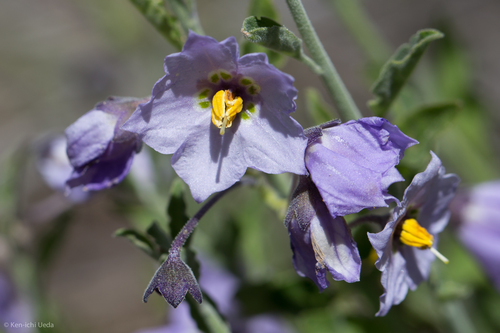
Bluewitch Nightshade (Solanum umbelliferum) is in the nightshade family family (Solanaceae). Across the U.S., iNaturalist users have logged 1,857 research-grade flowering observations of it in our sample, peaking in March.
Nationally it blooms mainly from February to May, but timing varies a lot by state and elevation — see the table below.
When to photograph Bluewitch Nightshade: observations by month (U.S.)
About Bluewitch Nightshade
Solanum umbelliferum is a species of nightshade known commonly as bluewitch nightshade, or bluewitch. It can be found in chaparral habitat and low-elevation oak woodlands in California and parts of Baja California and Arizona. It is a small perennial herb or subshrub with dark gray-green oval-shaped leaves on hairy green stems that grow to a maximum height of one meter. It has bright purple or blue frilly flowers with thick yellow anthers at the center. TheFrom Wikipedia via iNaturalist — article, CC BY-SA.
Bluewitch Nightshade by state
| State | Observations | Peak month | Main season |
|---|---|---|---|
| California | 1,857 | March | Feb–May |
Main season = months with at least 30% of the state's peak-month count.
Related wildflowers (nightshade family)
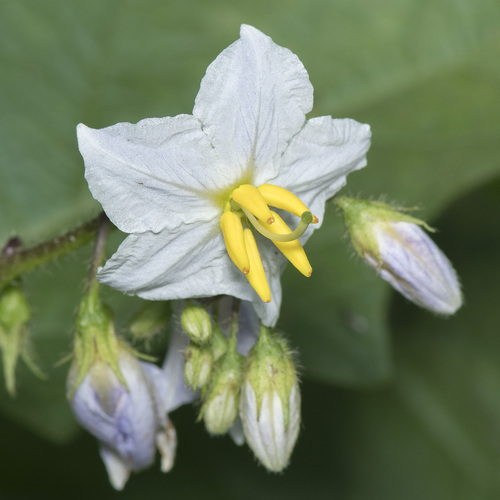
Carolina horsenettle
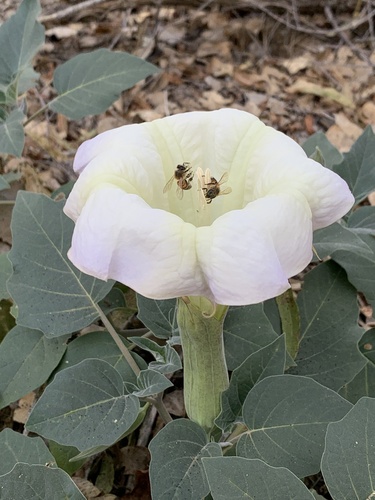
Sacred Datura
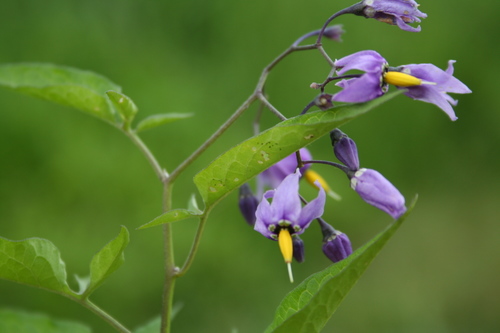
Bittersweet Nightshade
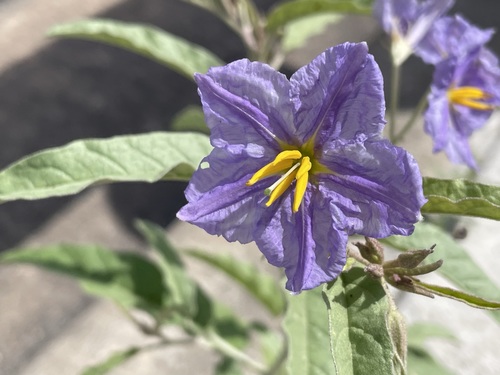
Silverleaf Nightshade
Purple Groundcherry
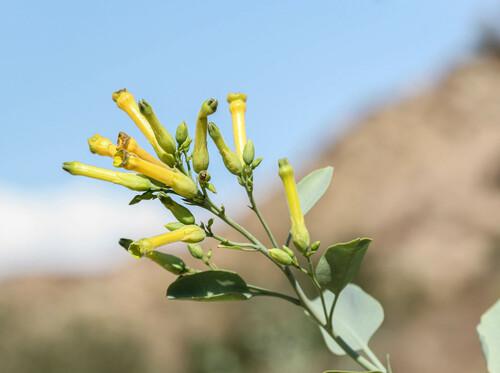
Tree Tobacco
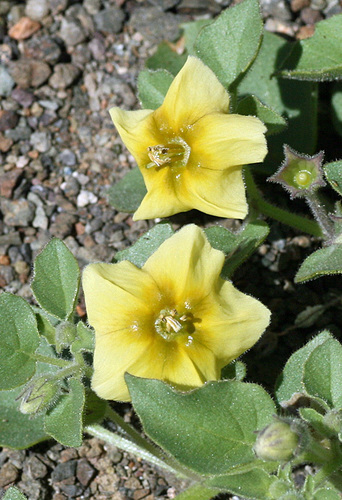
Thickleaf Groundcherry
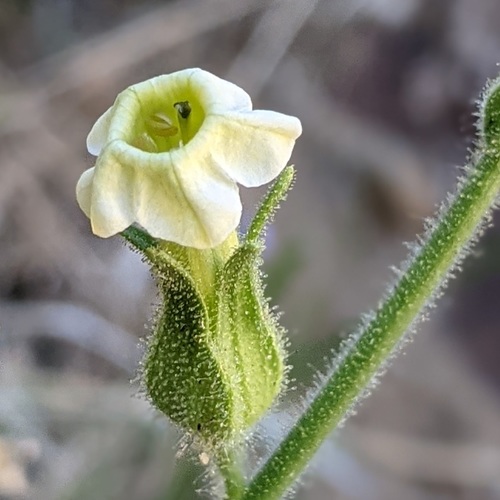
Desert Tobacco
Photography tips
- Photograph flowers on calm, overcast mornings to avoid wind blur and harsh shadows.
- Get low: a shallow depth of field (f/2.8–f/5.6) isolates a bloom against soft color.
- Stay on trails — trampling meadows kills plants and ruins next year's display.
- Try a kaleidoscope abstract of a single bloom with our online kaleidoscope tool.
FAQ
When is the best time to photograph Bluewitch Nightshade?
Nationally, March has the most observations, with the main season from February to May.
Where is Bluewitch Nightshade most often seen?
The most observations come from California.