Desert Thorn-Apple (Datura discolor) is in the nightshade family family (Solanaceae). Across the U.S., iNaturalist users have logged 876 research-grade flowering observations of it in our sample, peaking in November.
Nationally it blooms mainly from October to March, but timing varies a lot by state and elevation — see the table below.
When to photograph Desert Thorn-Apple: observations by month (U.S.)
About Desert Thorn-Apple
Datura discolor, also called the desert thorn-apple, is an herbaceous annual plant native to the Sonoran Desert of western North America, where it grows in sandy soils and washes. All parts of the plant contain a mix of alkaloids that are potentially lethal when enough is ingested. Deaths from careless recreational use of Datura and related plants are frequently reported.From Wikipedia via iNaturalist — article, CC BY-SA.
Desert Thorn-Apple by state
| State | Observations | Peak month | Main season |
|---|---|---|---|
| California | 787 | November | Oct–Mar |
| Arizona | 89 | October | Aug–Nov |
Main season = months with at least 30% of the state's peak-month count.
Related wildflowers (nightshade family)
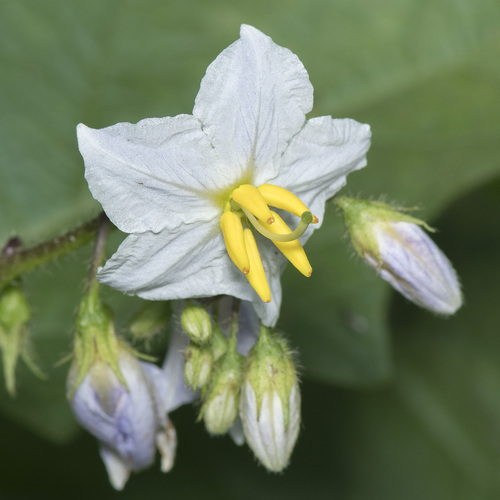
Carolina horsenettle
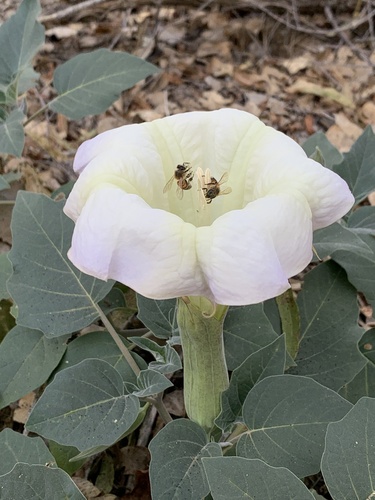
Sacred Datura
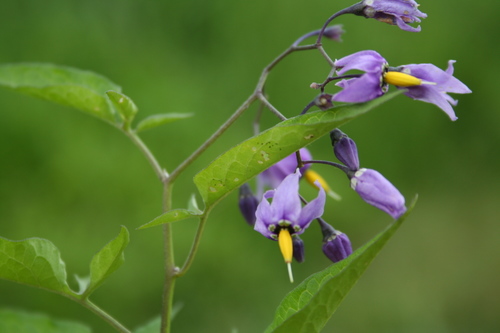
Bittersweet Nightshade
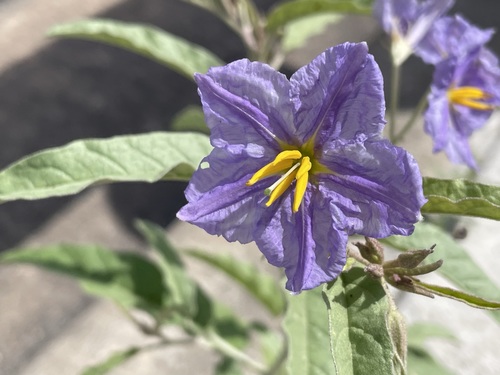
Silverleaf Nightshade
Purple Groundcherry
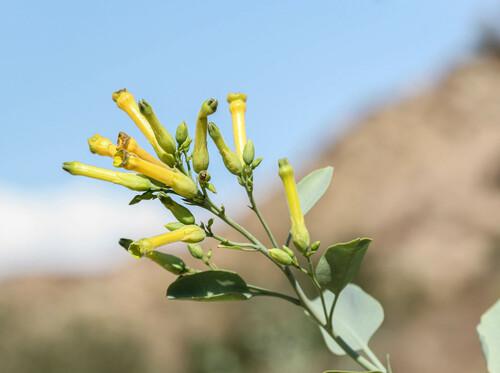
Tree Tobacco
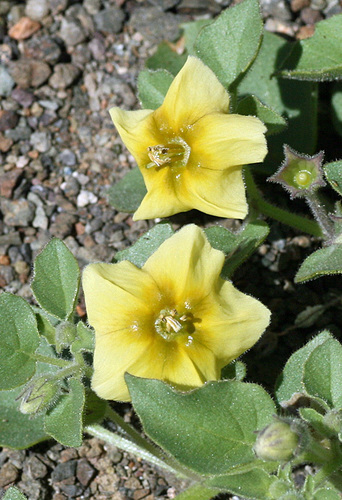
Thickleaf Groundcherry
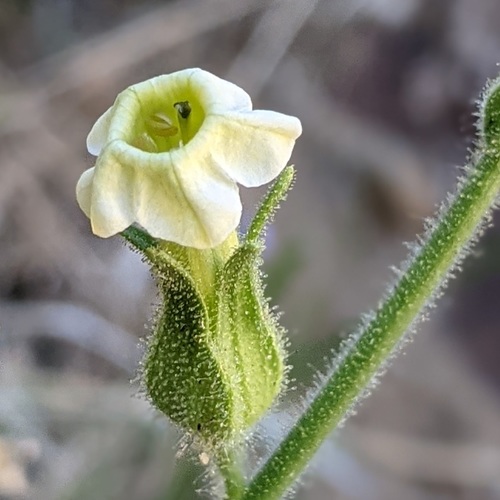
Desert Tobacco
Photography tips
- Photograph flowers on calm, overcast mornings to avoid wind blur and harsh shadows.
- Get low: a shallow depth of field (f/2.8–f/5.6) isolates a bloom against soft color.
- Stay on trails — trampling meadows kills plants and ruins next year's display.
- Try a kaleidoscope abstract of a single bloom with our online kaleidoscope tool.
FAQ
When is the best time to photograph Desert Thorn-Apple?
Nationally, November has the most observations, with the main season from October to March.
Where is Desert Thorn-Apple most often seen?
The most observations come from California, Arizona.