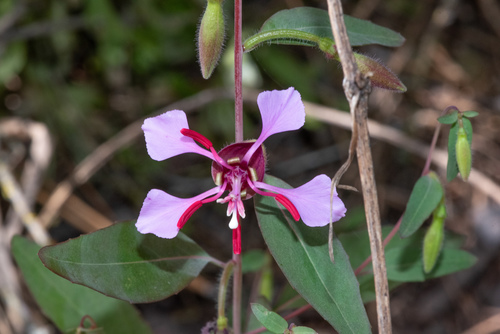
Elegant Clarkia (Clarkia unguiculata) is in the evening primrose family family (Onagraceae). Across the U.S., iNaturalist users have logged 1,401 research-grade flowering observations of it in our sample, peaking in May.
Nationally it blooms mainly from May to June, but timing varies a lot by state and elevation — see the table below.
When to photograph Elegant Clarkia: observations by month (U.S.)
About Elegant Clarkia
Clarkia unguiculata is a species of wildflower known by the common name elegant clarkia or mountain garland. This plant is endemic to California, where it is found in many woodland habitats. Specifically it is common on the forest floor of many oak woodlands, along with typical understory wildflowers that include Calochortus luteus, Cynoglossum grande and Delphinium variegatum. C. unguiculata presents a spindly, hairless, waxy stem not exceeding a meter in height and bears occasional narrow leaves....From Wikipedia via iNaturalist — article, CC BY-SA.
Elegant Clarkia by state
| State | Observations | Peak month | Main season |
|---|---|---|---|
| California | 1,400 | May | May–Jun |
Main season = months with at least 30% of the state's peak-month count.
Related wildflowers (evening primrose family)
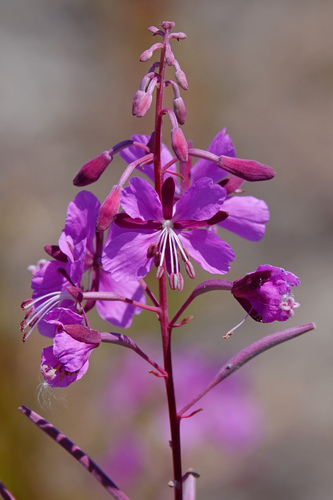
Fireweed
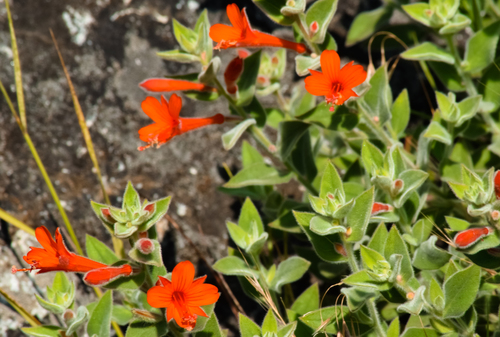
California fuchsia
Pinkladies
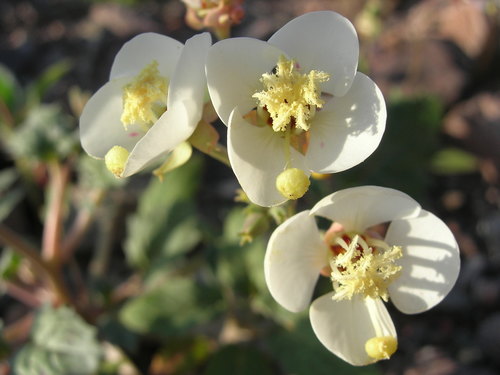
Browneyes
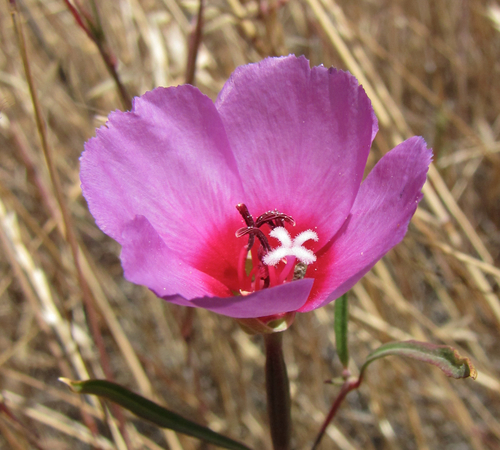
Ruby Chalice Clarkia
Winecup Clarkia
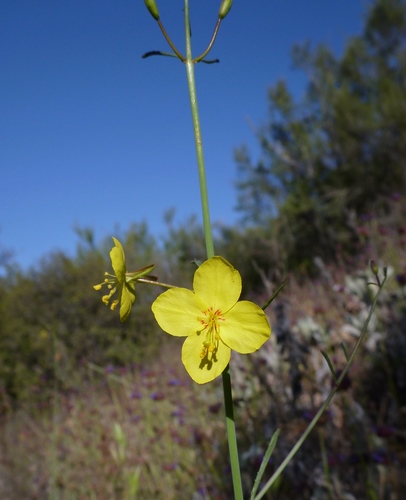
California primrose
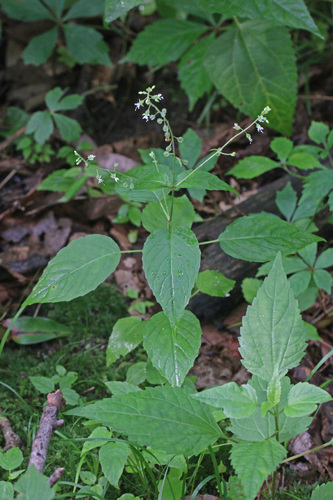
Broadleaf Enchanter's Nightshade
Photography tips
- Photograph flowers on calm, overcast mornings to avoid wind blur and harsh shadows.
- Get low: a shallow depth of field (f/2.8–f/5.6) isolates a bloom against soft color.
- Stay on trails — trampling meadows kills plants and ruins next year's display.
- Try a kaleidoscope abstract of a single bloom with our online kaleidoscope tool.
FAQ
When is the best time to photograph Elegant Clarkia?
Nationally, May has the most observations, with the main season from May to June.
Where is Elegant Clarkia most often seen?
The most observations come from California.