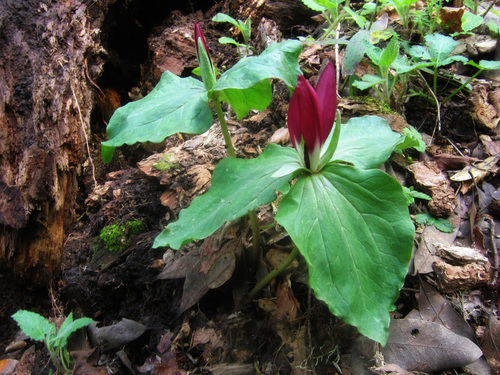
Giant Wakerobin (Trillium chloropetalum) is in the Herb-Paris, False Hellebores, Trilliums and allies family (Melanthiaceae). Across the U.S., iNaturalist users have logged 2,968 research-grade flowering observations of it in our sample, peaking in March.
Nationally it blooms mainly from February to April, but timing varies a lot by state and elevation — see the table below.
When to photograph Giant Wakerobin: observations by month (U.S.)
About Giant Wakerobin
Trillium chloropetalum, also known as giant trillium, giant wakerobin, or common trillium, is a species of flowering plant in the family Melanthiaceae. It is found in the coast ranges of California and the Sierra Nevada foothills, from Siskiyou County to Santa Barbara and Madera Counties.From Wikipedia via iNaturalist — article, CC BY-SA.
Giant Wakerobin by state
| State | Observations | Peak month | Main season |
|---|---|---|---|
| California | 2,942 | March | Feb–Apr |
| Oregon | 26 | April | Apr–Apr |
Main season = months with at least 30% of the state's peak-month count.
Related wildflowers (Herb-Paris, False Hellebores, Trilliums and allies)
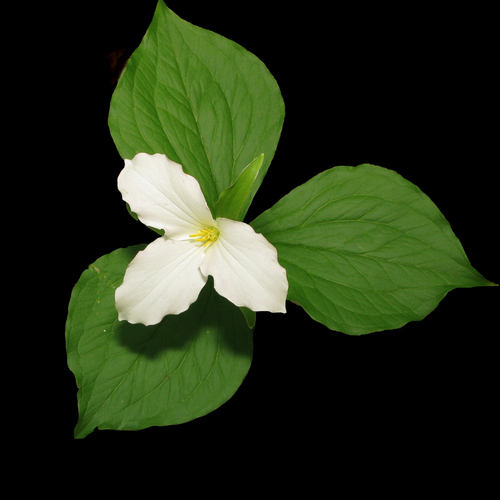
Large White Trillium

Pacific trillium
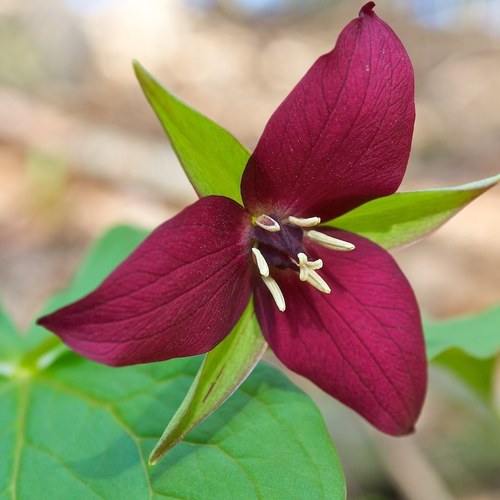
Red Trillium

Painted Trillium
Prairie Trillium
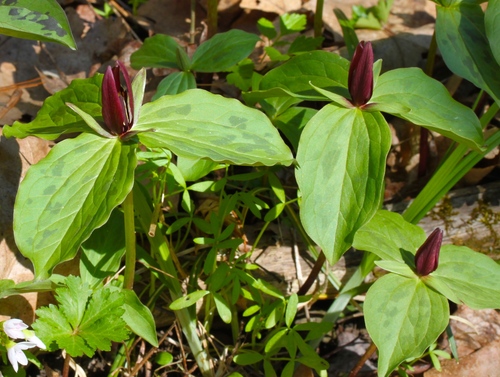
Toadshade
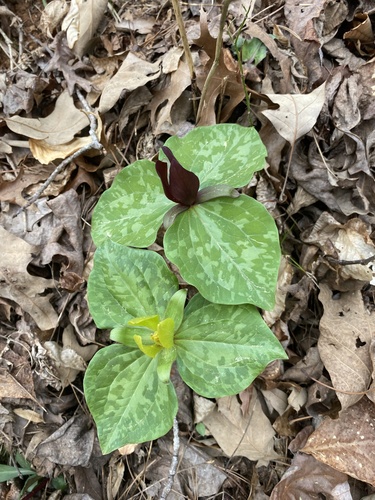
Little Sweet Betsy
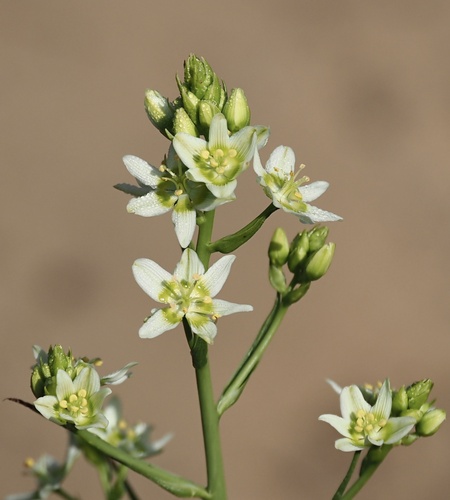
Fremont's Death Camas
Photography tips
- Photograph flowers on calm, overcast mornings to avoid wind blur and harsh shadows.
- Get low: a shallow depth of field (f/2.8–f/5.6) isolates a bloom against soft color.
- Stay on trails — trampling meadows kills plants and ruins next year's display.
- Try a kaleidoscope abstract of a single bloom with our online kaleidoscope tool.
FAQ
When is the best time to photograph Giant Wakerobin?
Nationally, March has the most observations, with the main season from February to April.
Where is Giant Wakerobin most often seen?
The most observations come from California, Oregon.