Three-Toothed Cinquefoil (Sibbaldiopsis tridentata) is in the rose family family (Rosaceae). Across the U.S., iNaturalist users have logged 1,187 research-grade flowering observations of it in our sample, peaking in July.
Nationally it blooms mainly from June to July, but timing varies a lot by state and elevation — see the table below.
When to photograph Three-Toothed Cinquefoil: observations by month (U.S.)
About Three-Toothed Cinquefoil
Sibbaldiopsis is a genus in the plant family Rosaceae. This genus only contains a single species: Sibbaldiopsis tridentata, formerly Potentilla tridentata. Commonly, its names include three-toothed cinquefoil, shrubby fivefingers, and wineleaf. Systemic phylogenetic work has placed S. tridentata within Sibbaldia as Sibbaldia retusa.From Wikipedia via iNaturalist — article, CC BY-SA.
Three-Toothed Cinquefoil by state
| State | Observations | Peak month | Main season |
|---|---|---|---|
| Maine | 486 | June | Jun–Jul |
| New Hampshire | 306 | July | Jun–Jul |
| North Carolina | 145 | June | Jun–Aug |
| Minnesota | 63 | July | Jun–Jul |
| New York | 60 | July | Jun–Jul |
| Michigan | 34 | July | Jun–Jul |
| Massachusetts | 23 | June | Jun–Jun |
| Vermont | 21 | July | Jun–Jul |
| Virginia | 17 | July | May–Jul |
| West Virginia | 14 | August | Jun–Aug |
| Tennessee | 6 | June | Jun–Jul |
| Wisconsin | 5 | July | Jul–Jul |
Main season = months with at least 30% of the state's peak-month count.
Related wildflowers (rose family)

Multiflora Rose
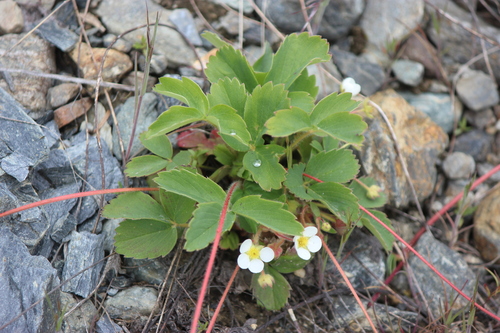
Virginia strawberry

Southern Dewberry
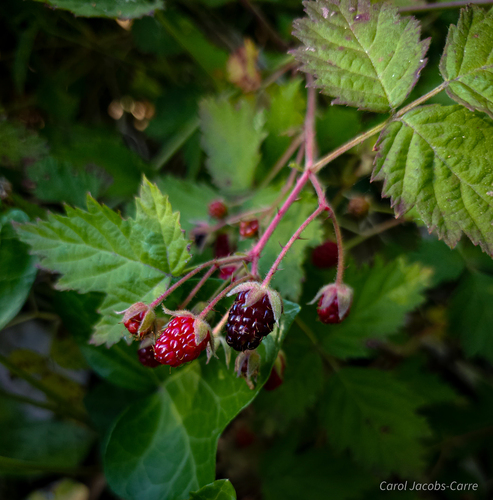
Trailing Blackberry
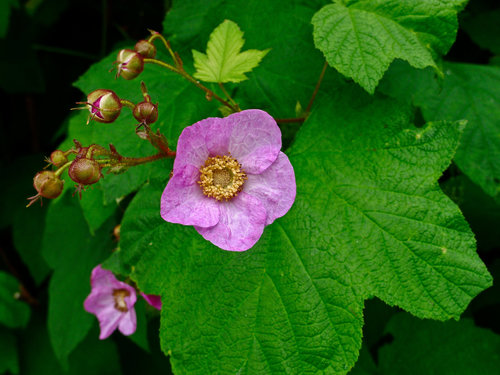
Purple-Flowered Raspberry
Thimbleberry

Salmonberry
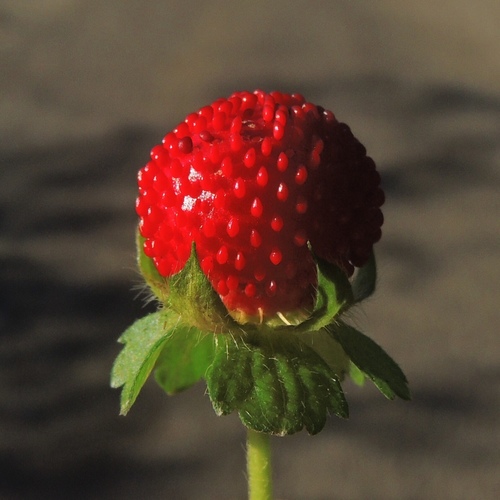
Mock Strawberry
Photography tips
- Photograph flowers on calm, overcast mornings to avoid wind blur and harsh shadows.
- Get low: a shallow depth of field (f/2.8–f/5.6) isolates a bloom against soft color.
- Stay on trails — trampling meadows kills plants and ruins next year's display.
- Try a kaleidoscope abstract of a single bloom with our online kaleidoscope tool.
FAQ
When is the best time to photograph Three-Toothed Cinquefoil?
Nationally, July has the most observations, with the main season from June to July.
Where is Three-Toothed Cinquefoil most often seen?
The most observations come from Maine, New Hampshire, North Carolina.