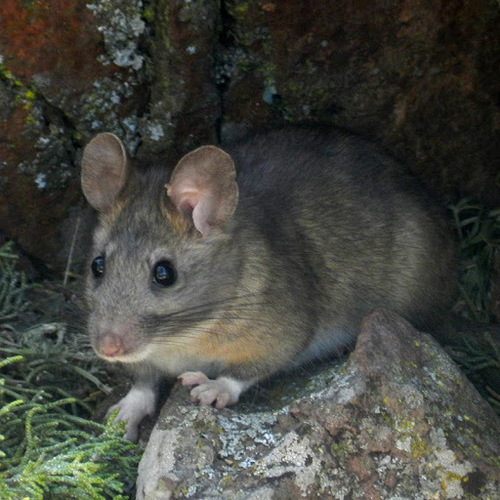
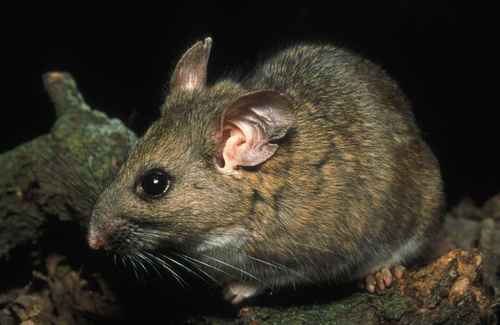
Bushy-tailed Woodrat (Neotoma cinerea) is in the Hamsters, Voles, Lemmings, and Allies family (Cricetidae). Across the U.S., iNaturalist users have logged 1,484 research-grade observations of it in our sample, peaking in September.
Seasonal pattern in the national data: year-round resident. Counts also reflect when people are out photographing, so compare months within a state rather than across states.
When to photograph Bushy-tailed Woodrat: observations by month (U.S.)
About Bushy-tailed Woodrat
The bushy-tailed woodrat, or packrat (Neotoma cinerea) is a species of rodent in the family Cricetidae found in Canada and the United States. Its natural habitats are boreal forests, temperate forests, dry savanna, temperate shrubland, and temperate grassland.From Wikipedia via iNaturalist — article, CC BY-SA.
Bushy-tailed Woodrat by state
| State | Observations | Peak month | Main season |
|---|---|---|---|
| Oregon | 1,092 | September | Aug–Jul |
| Washington | 85 | August | Mar–Sep |
| Montana | 58 | August | Jul–Dec |
| California | 47 | August | Jun–Nov |
| Colorado | 41 | September | Jun–Nov |
| Idaho | 34 | August | Apr–Sep |
| Nebraska | 32 | April | Mar–Aug |
| Utah | 30 | July | Jul–Sep |
| Wyoming | 30 | September | Jul–Oct |
| Nevada | 20 | July | Jul–Aug |
| North Dakota | 6 | July | Jul–Oct |
Main season = months with at least 30% of the state's peak-month count.
Related mammals (Hamsters, Voles, Lemmings, and Allies)
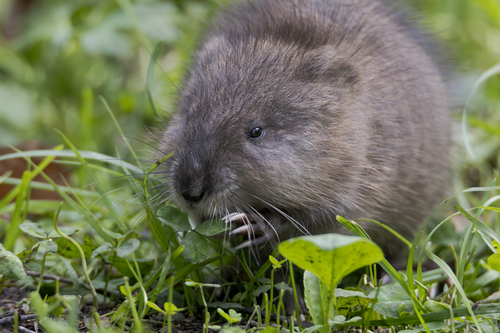
Muskrat
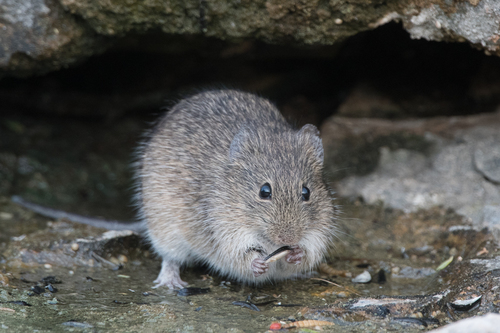
Hispid Cotton Rat
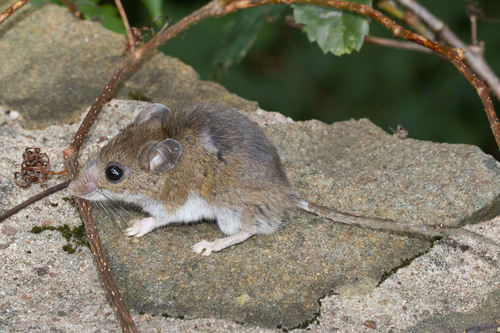
White-footed Mouse
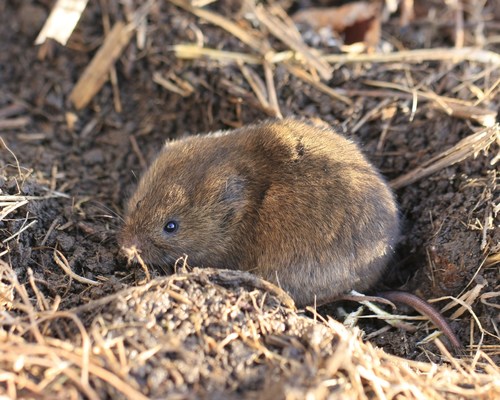
Eastern Meadow Vole
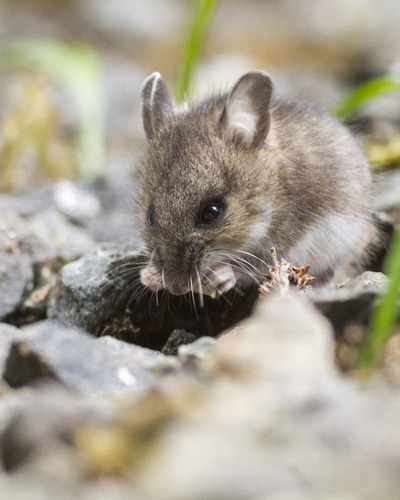
Western Deer Mouse
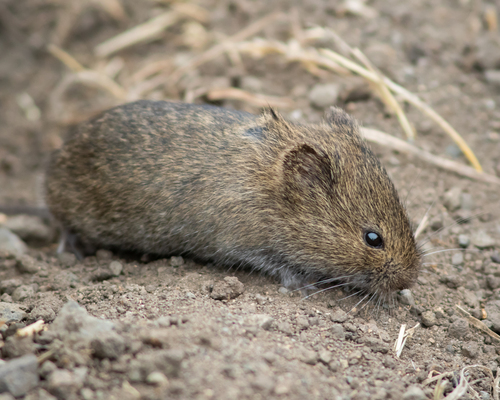
California Vole
Dusky-footed Woodrat
Photography tips
- Keep a legal and safe distance: 100 yards from bears and wolves and 25 yards from other large animals in national parks.
- Dawn and dusk are peak activity times for most mammals.
- Use your car as a blind on wildlife drives.
FAQ
When is the best time to photograph Bushy-tailed Woodrat?
Nationally, September has the most observations, with the main season from August to July.
Where is Bushy-tailed Woodrat most often seen?
The most observations come from Oregon, Washington, Montana.