
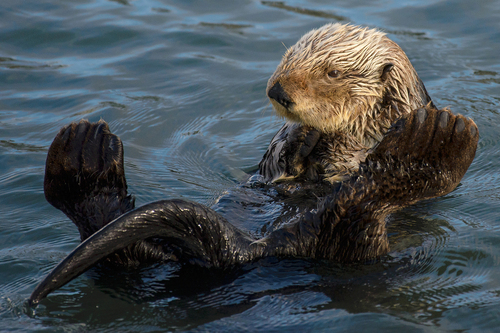
Sea Otter (Enhydra lutris) is in the Mustelids family (Mustelidae). Across the U.S., iNaturalist users have logged 3,304 research-grade observations of it in our sample, peaking in July.
Seasonal pattern in the national data: year-round resident. Counts also reflect when people are out photographing, so compare months within a state rather than across states.
Conservation status (iNaturalist): EN.
When to photograph Sea Otter: observations by month (U.S.)
About Sea Otter
The sea otter (Enhydra lutris) is a marine mammal native to the coasts of the northern and eastern North Pacific Ocean. Adult sea otters typically weigh between 14 and 45 kg (31 and 99 lb), making them the heaviest members of the weasel family, but among the smallest marine mammals. Unlike most marine mammals, the sea otter's primary form of insulation is an exceptionally thick coat of fur, the densest in the animal kingdom. Although it can walk...From Wikipedia via iNaturalist — article, CC BY-SA.
Sea Otter by state
| State | Observations | Peak month | Main season |
|---|---|---|---|
| California | 2,400 | March | Feb–Jan |
| Alaska | 786 | July | May–Sep |
| Washington | 118 | July | May–Oct |
Main season = months with at least 30% of the state's peak-month count.
Related mammals (Mustelids)
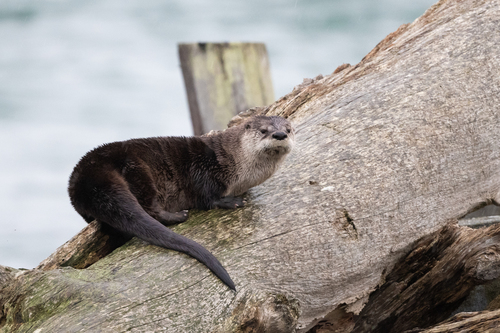
North American River Otter
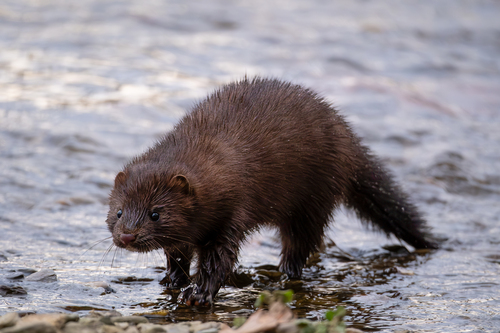
American Mink
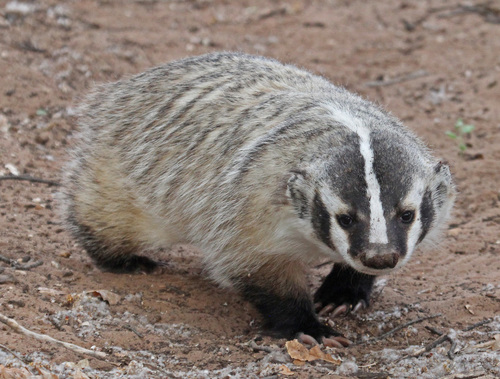
American Badger
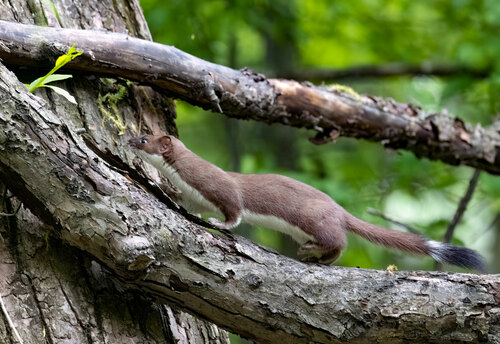
Long-tailed Weasel
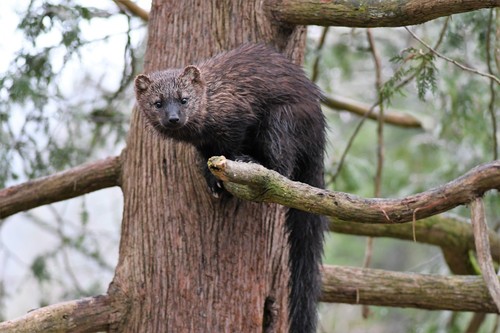
Fisher
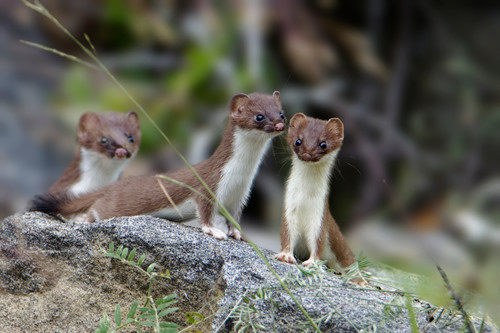
American Ermine
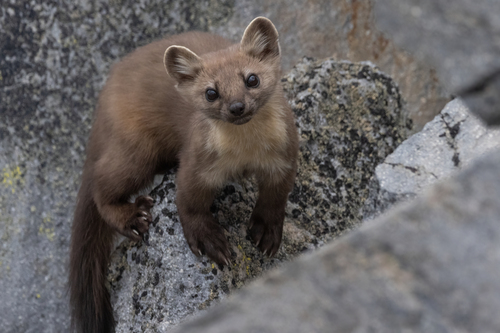
Pacific Marten
Photography tips
- Keep a legal and safe distance: 100 yards from bears and wolves and 25 yards from other large animals in national parks.
- Dawn and dusk are peak activity times for most mammals.
- Use your car as a blind on wildlife drives.
FAQ
When is the best time to photograph Sea Otter?
Nationally, July has the most observations, with the main season from June to May.
Where is Sea Otter most often seen?
The most observations come from California, Alaska, Washington.