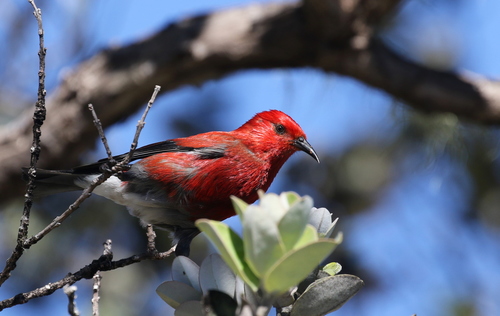
ʻApapane (Himatione sanguinea) is in the Finches, Euphonias, and Allies family (Fringillidae). Across the U.S., iNaturalist users have logged 2,461 research-grade observations of it in our sample, peaking in March.
Seasonal pattern in the national data: year-round resident. Counts also reflect when people are out photographing, so compare months within a state rather than across states.
Conservation status (iNaturalist): G3.
When to photograph ʻApapane: observations by month (U.S.)
About ʻApapane
The ʻapapane (Himatione sanguinea, pronounced /ˌɑ pɑˈpɑ neɪ/, ah-pah-PAH-ney) is a small, crimson species of Hawaiian honeycreeper endemic to the Hawaiian Islands. They are the most abundant and widely distributed honeycreeper and are found on the islands of Hawaiʻi, Maui, Lānaʻi, Kauaʻi, Molokaʻi and Oʻahu.From Wikipedia via iNaturalist — article, CC BY-SA.
ʻApapane by state
| State | Observations | Peak month | Main season |
|---|---|---|---|
| Hawaii | 2,461 | March | Feb–Jan |
Main season = months with at least 30% of the state's peak-month count.
Related birds (Finches, Euphonias, and Allies)

House Finch
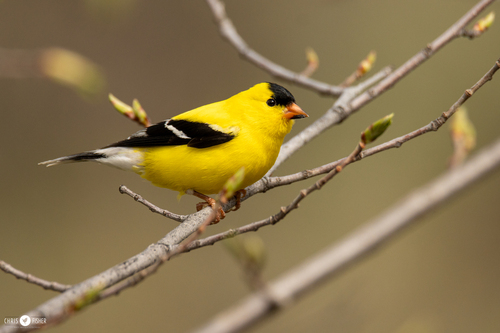
American Goldfinch
Lesser Goldfinch
Pine Siskin
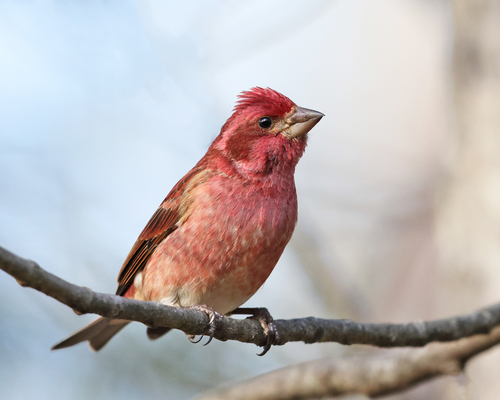
Purple Finch

Evening Grosbeak
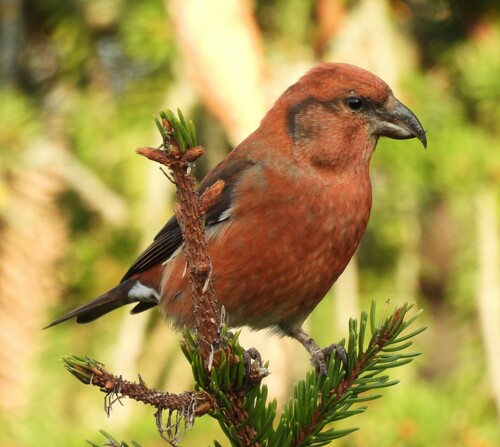
Red Crossbill
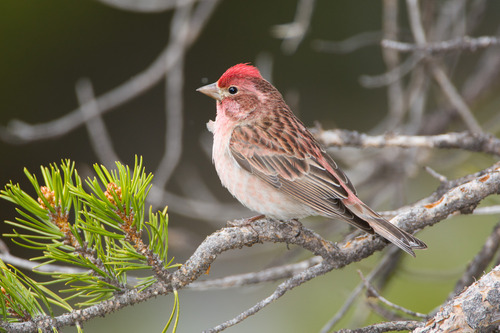
Cassin's Finch
Photography tips
- Use a fast shutter (1/2000 s or faster) for birds in flight.
- Focus on the eye and shoot at the bird's eye level.
- Approach slowly and stop if the bird changes behavior; never bait or flush birds.
- Morning activity peaks in the first two hours after sunrise.
FAQ
When is the best time to photograph ʻApapane?
Nationally, March has the most observations, with the main season from February to January.
Where is ʻApapane most often seen?
The most observations come from Hawaii.