California Thrasher (Toxostoma redivivum) is in the Mockingbirds and Thrashers family (Mimidae). Across the U.S., iNaturalist users have logged 14,260 research-grade observations of it in our sample, peaking in April.
Seasonal pattern in the national data: year-round resident. Counts also reflect when people are out photographing, so compare months within a state rather than across states.
When to photograph California Thrasher: observations by month (U.S.)
About California Thrasher
The California thrasher (Toxostoma redivivum) is a large thrasher found primarily in chaparral habitat in California and Baja California. Similar to the crissal and Le Conte's thrashers in habit, the California thrasher is the only species of Toxostoma throughout most of its limited range. Like most thrashers, it rarely flies in the open, preferring to keep hidden in dense brush. Therefore, while it is common throughout much of its range, it is rarely seen.From Wikipedia via iNaturalist — article, CC BY-SA.
California Thrasher by state
| State | Observations | Peak month | Main season |
|---|---|---|---|
| California | 14,249 | April | Mar–Feb |
| Oregon | 11 | March | Mar–Jul |
Main season = months with at least 30% of the state's peak-month count.
Related birds (Mockingbirds and Thrashers)
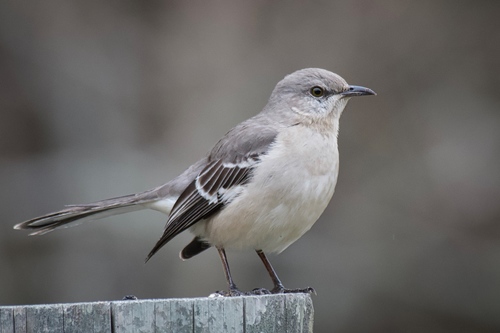
Northern Mockingbird
Gray Catbird
Brown Thrasher
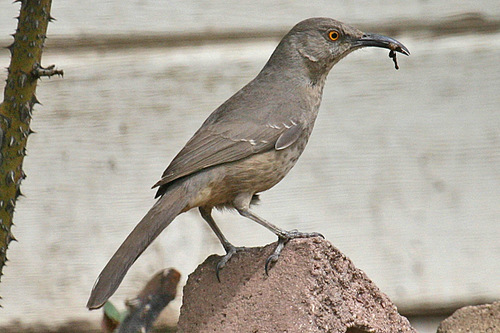
Curve-billed Thrasher
Sage Thrasher
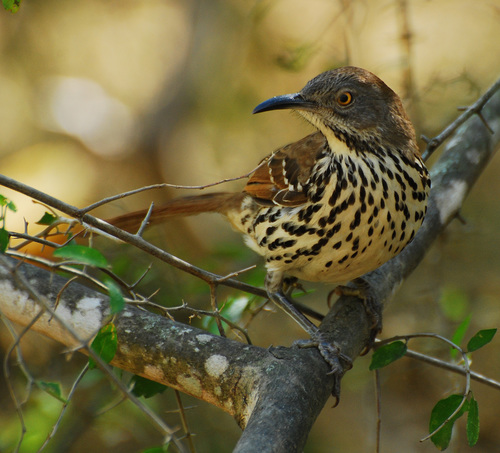
Long-billed Thrasher
Photography tips
- Use a fast shutter (1/2000 s or faster) for birds in flight.
- Focus on the eye and shoot at the bird's eye level.
- Approach slowly and stop if the bird changes behavior; never bait or flush birds.
- Morning activity peaks in the first two hours after sunrise.
FAQ
When is the best time to photograph California Thrasher?
Nationally, April has the most observations, with the main season from March to February.
Where is California Thrasher most often seen?
The most observations come from California, Oregon.