
Aloha is a city of about 49,425 people in Washington County, Oregon, at 65 m (213 ft). Today the sun rises at 7:35 AM and sets at 6:19 PM; the evening golden hour runs 5:38 PM – 6:37 PM. Below are monthly times, sun directions, the best photo locations within 80 km and the nearest dark skies.
Sunrise, sunset & golden hour by month
| Month (15th) | Sunrise | Golden hour ends | Golden hour starts | Sunset | Blue hour ends | Daylight |
|---|---|---|---|---|---|---|
| January | 7:48 AM | 8:36 AM | 4:07 PM | 4:55 PM | 5:28 PM | 9h 06m |
| February | 7:14 AM | 7:56 AM | 4:57 PM | 5:39 PM | 6:09 PM | 10h 25m |
| March | 7:25 AM | 8:04 AM | 6:38 PM | 7:18 PM | 7:47 PM | 11h 53m |
| April | 6:27 AM | 7:06 AM | 7:18 PM | 7:58 PM | 8:29 PM | 13h 31m |
| May | 5:42 AM | 6:25 AM | 7:53 PM | 8:36 PM | 9:10 PM | 14h 54m |
| June | 5:23 AM | 6:09 AM | 8:17 PM | 9:03 PM | 9:41 PM | 15h 40m |
| July | 5:38 AM | 6:22 AM | 8:14 PM | 8:58 PM | 9:34 PM | 15h 20m |
| August | 6:13 AM | 6:54 AM | 7:40 PM | 8:21 PM | 8:53 PM | 14h 08m |
| September | 6:51 AM | 7:30 AM | 6:45 PM | 7:24 PM | 7:54 PM | 12h 34m |
| October | 7:28 AM | 8:09 AM | 5:47 PM | 6:27 PM | 6:57 PM | 10h 59m |
| November | 7:11 AM | 7:57 AM | 3:57 PM | 4:43 PM | 5:15 PM | 9h 31m |
| December | 7:46 AM | 8:35 AM | 3:40 PM | 4:29 PM | 5:04 PM | 8h 44m |
Local time in America/Los Angeles, daylight saving time included.
Where the sun rises and sets in Aloha
At Aloha the sunrise point swings a long way through the year: about 55° (NE) at the June solstice and 124° (ESE) in late December. Sunset moves from 306° (NW) in June to 237° (WSW) in December, and the midday sun climbs to 68° in summer but only 21° in winter.
Best photo spots near Aloha
166 photo locations lie within 80 km of Aloha. Each links to a full planning page with sunrise and sunset directions.
Scenic Viewpoints
 Scenic ViewpointScenic ViewpointScenic ViewpointScenic ViewpointScenic ViewpointScenic Viewpoint
Waterfalls
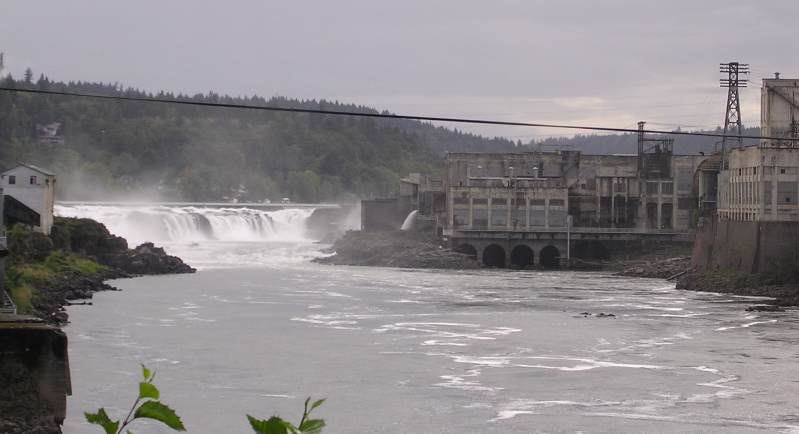 Waterfall
 Waterfall
 Waterfall
 WaterfallWaterfallWaterfall
State Parks
 State Park
 State Park
 State Park
 State Park
 State Park
 State Park
Lakes


Lighthouses



Beaches
 BeachBeach
 BeachBeach
Night sky, Milky Way & aurora
The sky over central Aloha is estimated at Bortle 8 (city sky). The nearest truly dark location in our database is Mount Jefferson Wilderness, about 124 km (77 mi) away (Bortle 2). The Milky Way core is up during darkness from April to August, best in June. Northern lights need roughly Kp 6.0+ to appear low on the northern horizon here.
Darkest skies within 200 km
| Location | Type | Distance | Est. Bortle |
|---|---|---|---|
| Mount Jefferson Wilderness | Wilderness Area | 124 km (77 mi) | 2 |
| Mount Jefferson | Mountain Peak | 124 km (77 mi) | 2 |
| Gooch Falls | Waterfall | 127 km (79 mi) | 2 |
| Gatch Falls | Waterfall | 129 km (80 mi) | 2 |
| Marion Falls | Waterfall | 129 km (80 mi) | 2 |
| Marion Lake | Lake | 131 km (81 mi) | 2 |
| Tygh Grade Summit | Mountain Pass | 135 km (84 mi) | 2 |
| Santiam Lake | Lake | 137 km (85 mi) | 2 |
| Month | Milky Way core window (15th) | Hours | Max altitude |
|---|---|---|---|
| March | 5:16 AM – 5:36 AM | 0.3 | 12° |
| April | 3:16 AM – 4:26 AM | 1.2 | 15° |
| May | 1:16 AM – 3:26 AM | 2.2 | 16° |
| June | 11:39 PM – 2:39 AM | 3.0 | 16° |
| July | 11:22 PM – 1:22 AM | 2.0 | 16° |
| August | 10:17 PM – 11:27 PM | 1.2 | 14° |
| September | 9:06 PM – 9:26 PM | 0.3 | 12° |
Cloud cover by month
Long-term NASA satellite data for this area show July as the clearest month (about 39% average cloud cover) and December as the cloudiest (80%). August is the warmest month and December the coldest, which matters for gear, snow access and how long batteries last at night.