
Loneman Fire Lookout — a fire lookout in Flathead County, Montana — is a rewarding subject for landscape photographers. It lies in or next to Glacier National Park, so park hours, fees and rules apply. It sits roughly 33 km (21 mi) ENE of Columbia Falls. It dates from 1930. It is listed on the National Register of Historic Places.
The Loneman Fire Lookout in Glacier National Park is significant as one of a chain of staffed fire lookout posts within the park. The low two-story timber-construction structure with a pyramidal roof was built in 1933. The lookout uses a standard design originated by the U.S. Forest Service. Built in 1930, it is one several similar structures built in a program to establish an overlapping chain of fire lookouts in the park.From the Wikipedia article “Loneman Fire Lookout”, licensed under CC BY-SA 4.0.
Sunrise & sunset directions
At Loneman Fire Lookout the sunrise point swings a long way through the year: about 52° (NE) at the June solstice and 126° (SE) in late December. Sunset moves from 308° (NW) in June to 234° (SW) in December, and the midday sun climbs to 65° in summer but only 18° in winter.
| Date | Sunrise | Azimuth | Sunset | Azimuth | Noon sun | Daylight |
|---|---|---|---|---|---|---|
| March equinox (Mar 20) | 7:39 AM | 89° E | 7:48 PM | 271° W | 41° | 12h 09m |
| June solstice (Jun 21) | 5:34 AM | 52° NE | 9:41 PM | 308° NW | 65° | 16h 07m |
| September equinox (Sep 22) | 7:22 AM | 89° E | 7:35 PM | 271° W | 42° | 12h 12m |
| December solstice (Dec 21) | 8:25 AM | 126° SE | 4:43 PM | 234° SW | 18° | 8h 18m |
Azimuth is measured clockwise from true north (90° = east, 270° = west). Computed for 2026; values change by less than a degree from year to year.
Golden hour & blue hour by month
Lookouts are built for 360° views, so sunrise and sunset are both options — use the azimuths to decide which view you want.
| Month (15th) | Blue hour starts | Sunrise | Golden hour ends | Golden hour starts | Sunset | Blue hour ends | Daylight |
|---|---|---|---|---|---|---|---|
| January | 7:47 AM | 8:23 AM | 9:14 AM | 4:16 PM | 5:08 PM | 5:43 PM | 8h 45m |
| February | 7:11 AM | 7:43 AM | 8:28 AM | 5:12 PM | 5:57 PM | 6:29 PM | 10h 13m |
| March | 7:18 AM | 7:49 AM | 8:31 AM | 6:59 PM | 7:41 PM | 8:12 PM | 11h 51m |
| April | 6:12 AM | 6:45 AM | 7:28 AM | 7:44 PM | 8:26 PM | 8:59 PM | 13h 41m |
| May | 5:18 AM | 5:55 AM | 6:41 AM | 8:23 PM | 9:09 PM | 9:47 PM | 15h 14m |
| June | 4:52 AM | 5:34 AM | 6:23 AM | 8:50 PM | 9:39 PM | 10:21 PM | 16h 06m |
| July | 5:10 AM | 5:50 AM | 6:38 AM | 8:46 PM | 9:33 PM | 10:13 PM | 15h 44m |
| August | 5:55 AM | 6:30 AM | 7:13 AM | 8:08 PM | 8:51 PM | 9:26 PM | 14h 22m |
| September | 6:41 AM | 7:13 AM | 7:54 AM | 7:08 PM | 7:50 PM | 8:21 PM | 12h 37m |
| October | 7:24 AM | 7:56 AM | 8:39 AM | 6:04 PM | 6:47 PM | 7:19 PM | 10h 52m |
| November | 7:10 AM | 7:44 AM | 8:33 AM | 4:09 PM | 4:57 PM | 5:32 PM | 9h 13m |
| December | 7:44 AM | 8:21 AM | 9:16 AM | 3:47 PM | 4:41 PM | 5:18 PM | 8h 20m |
Local time (America/Denver), including daylight saving time. Golden hour runs from about −4° to +6° solar altitude, so the morning golden hour begins during blue hour, before sunrise.
Milky Way & night sky
From Loneman Fire Lookout, the Milky Way core is visible in a dark sky from May through July. May gives the longest window (about 1.0 hours on a moonless night), and the core peaks around 13° above the southern horizon. Our light-pollution model puts the sky at about Bortle 1 (excellent dark-sky site), which is excellent for astrophotography.
| Month | Core visible (15th) | Hours | Max altitude | Direction |
|---|---|---|---|---|
| January | Below 10° in darkness | — | -5° | — |
| February | Below 10° in darkness | — | 4° | — |
| March | Below 10° in darkness | — | 9° | — |
| April | 4:24 AM – 4:44 AM | 0.3 | 11° | SSE → SSE |
| May | 2:19 AM – 3:19 AM | 1.0 | 12° | SSE → S |
| June | 1:13 AM – 1:53 AM | 0.7 | 13° | S → S |
| July | 12:26 AM – 1:06 AM | 0.7 | 12° | S → SSW |
| August | 10:59 PM – 11:09 PM | 0.2 | 11° | SSW → SSW |
| September | Below 10° in darkness | — | 8° | — |
| October | Below 10° in darkness | — | 4° | — |
| November | Below 10° in darkness | — | -5° | — |
| December | Below 10° in darkness | — | -20° | — |
Window when the galactic core is at least 10° high during astronomical darkness on the 15th of each month. Pick nights within a few days of the new moon. Plan exact nights with the Milky Way planner.
Estimated sky darkness: 1 Bortle 1 — Excellent dark-sky site. The Milky Way casts faint shadows; zodiacal light and airglow are obvious. Modeled zenith brightness ≈ 21.91 mag/arcsec². Aurora needs roughly Kp 4.0+ to show low on the northern horizon here.
Weather & best season
Long-term NASA satellite data for this area show July as the clearest month (about 39% average cloud cover) and March as the cloudiest (72%). July is the warmest month and December the coldest, which matters for gear, snow access and how long batteries last at night.
Average cloud cover (%)
| Jan | Feb | Mar | Apr | May | Jun | Jul | Aug | Sep | Oct | Nov | Dec | |
|---|---|---|---|---|---|---|---|---|---|---|---|---|
| High °F | 34 | 38 | 46 | 66 | 75 | 83 | 90 | 92 | 86 | 74 | 54 | 37 |
| Low °F | -32 | -39 | -37 | -12 | 15 | 23 | 34 | 32 | 13 | -3 | -27 | -40 |
| Precip. (in) | 4.3 | 3.8 | 4.1 | 3.4 | 3.6 | 4.5 | 1.3 | 1.4 | 2.3 | 3.4 | 4.4 | 4.2 |
Monthly climatology for the surrounding 1° grid cell from NASA POWER (MERRA-2). Mountain sites can be colder and cloudier than the cell average.
Photography tips for this fire lookout
- Haze from wildfire smoke can turn the sun deep red but reduce visibility; check air quality.
- Access roads may be rough or seasonal.
- Some lookouts can be rented overnight through recreation.gov, which puts you on site for both sunset and sunrise.
- Shoot the tower itself against the Milky Way or star trails on clear, moonless nights.
- Scout in daylight if you plan to shoot at night or before sunrise.
Season: Summer and early autumn; many towers are staffed only during fire season.
Suggested gear: Wide and telephoto lenses, Tripod, Warm layers. Work out exposures with the depth of field, ND filter and NPF rule calculators.
Permits, drones & access
National Park Service rules. Under federal law (54 U.S.C. 100905), still photography in National Park Service areas needs a permit only when it (1) takes place where members of the public are not allowed, (2) uses models, sets or props that are not part of the location's natural or cultural resources or administrative facilities, or (3) would cause the park to incur additional administrative costs to monitor the activity. Ordinary visitor and most landscape photography needs no permit. Commercial filming rules are separate and have changed in recent years — confirm current requirements with the park before a paid shoot.
Drones: Launching, landing or operating unmanned aircraft (drones) is prohibited in National Park Service units under a 2014 Superintendent's closure (36 CFR 1.5), except where a park has issued specific written approval. Flying from outside the boundary over park land can also violate park rules and disturb wildlife.
Nearby photo spots
Other locations within 25 km of Loneman Fire Lookout, closest first.
 Mountain Peak
 Waterfall
 Mountain Peak
 LakeWaterfall
 Mountain Peak
 Mountain Peak
 Mountain Peak
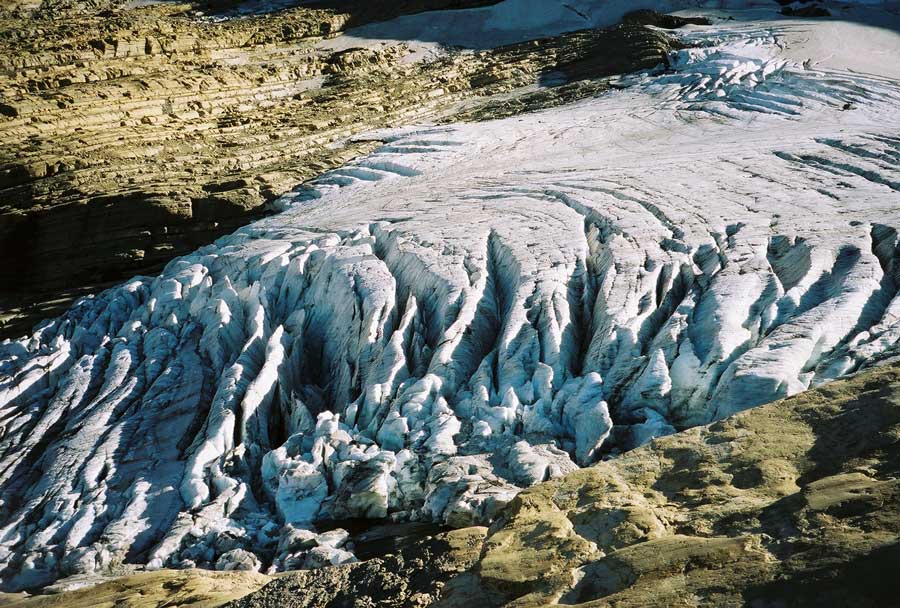 Glacier
Campgrounds nearby (Recreation.gov)
- Sprague Creek Campground15.5 km (9.7 mi) · reservable
- Apgar Campground16.3 km (10.1 mi) · reservable
- Apgar Group Sites16.3 km (10.1 mi) · reservable
- Fish Creek Campground17.2 km (10.7 mi) · reservable
- Avalanche Campground21 km (13 mi) · reservable
FAQ
When is the best time to photograph Loneman Fire Lookout?
What time is golden hour at Loneman Fire Lookout?
Where does the sun rise and set at Loneman Fire Lookout?
Can you see the Milky Way from Loneman Fire Lookout?
Do you need a permit to photograph at Loneman Fire Lookout?
How far is Loneman Fire Lookout from Columbia Falls?
Sources
Location data: Wikidata, Wikipedia. Sun, moon and Milky Way times are computed by LWPhoto Atlas for 2026. Climate: NASA POWER. Sky darkness is a population-based estimate (Walker's law), not a measurement. See data sources & licenses.