Gull-billed Tern (Gelochelidon nilotica) is in the Gulls, Terns, and Skimmers family (Laridae). Across the U.S., iNaturalist users have logged 2,757 research-grade observations of it in our sample, peaking in April.
Seasonal pattern in the national data: summer visitor / breeder. Counts also reflect when people are out photographing, so compare months within a state rather than across states.
When to photograph Gull-billed Tern: observations by month (U.S.)
About Gull-billed Tern
The gull-billed tern (Gelochelidon nilotica), formerly Sterna nilotica, is a tern in the family Laridae. It is now considered to be in its own genus. The genus name is from Ancient Greek gelao, "to laugh", and khelidon, "swallow". The specific niloticus is from Latin and means of the Nile.From Wikipedia via iNaturalist — article, CC BY-SA.
Gull-billed Tern by state
| State | Observations | Peak month | Main season |
|---|---|---|---|
| Texas | 937 | April | Mar–May |
| California | 580 | April | Apr–Jul |
| Florida | 344 | August | Apr–Sep |
| New Jersey | 278 | May | May–Aug |
| Louisiana | 160 | April | Apr–May |
| New York | 98 | July | May–Aug |
| South Carolina | 67 | May | Apr–Jul |
| North Carolina | 64 | May | May–May |
| Mississippi | 63 | April | Apr–Jul |
| Alabama | 62 | April | Apr–May |
| Virginia | 30 | June | May–Jul |
| Georgia | 27 | May | Apr–Jul |
| Delaware | 15 | July | Jun–Aug |
| Massachusetts | 13 | June | Jun–Jun |
| Maryland | 10 | June | May–Sep |
| Connecticut | 5 | June | Jun–Jun |
Main season = months with at least 30% of the state's peak-month count.
Related birds (Gulls, Terns, and Skimmers)
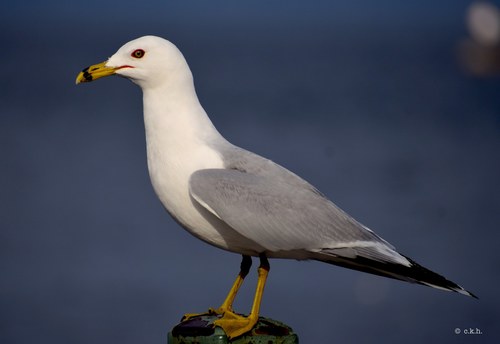
Ring-billed Gull
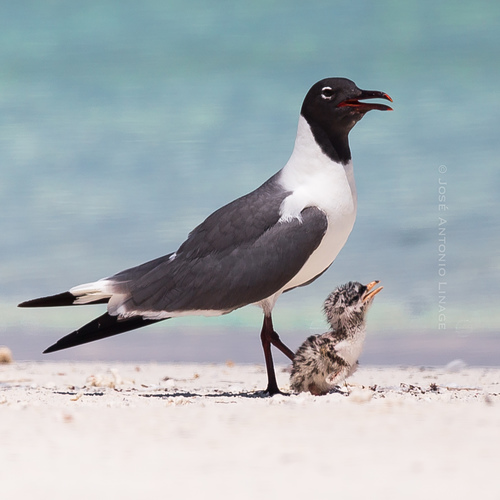
Laughing Gull
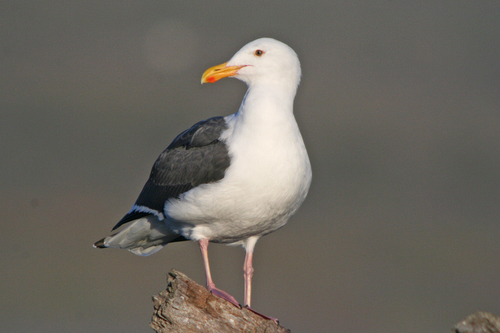
Western Gull
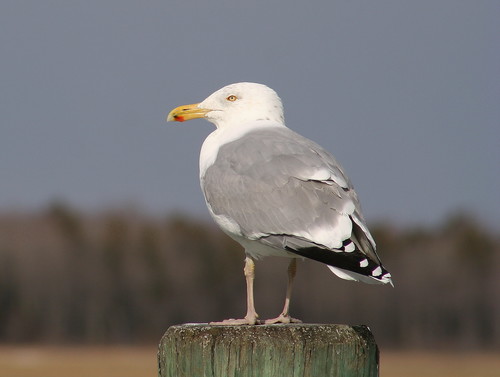
American Herring Gull
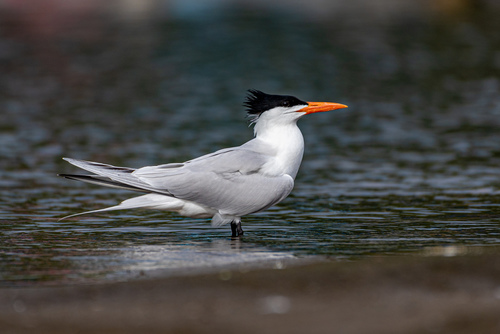
Royal Tern
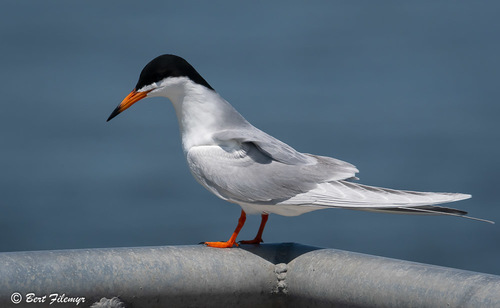
Forster's Tern

California Gull
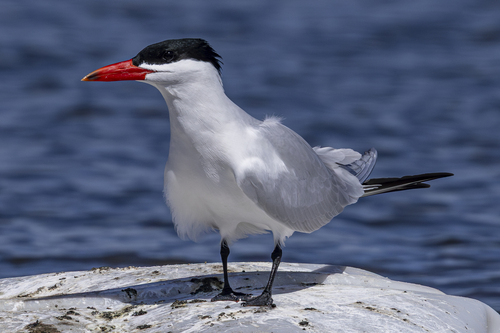
Caspian Tern
Photography tips
- Use a fast shutter (1/2000 s or faster) for birds in flight.
- Focus on the eye and shoot at the bird's eye level.
- Approach slowly and stop if the bird changes behavior; never bait or flush birds.
- Morning activity peaks in the first two hours after sunrise.
FAQ
When is the best time to photograph Gull-billed Tern?
Nationally, April has the most observations, with the main season from April to August.
Where is Gull-billed Tern most often seen?
The most observations come from Texas, California, Florida.