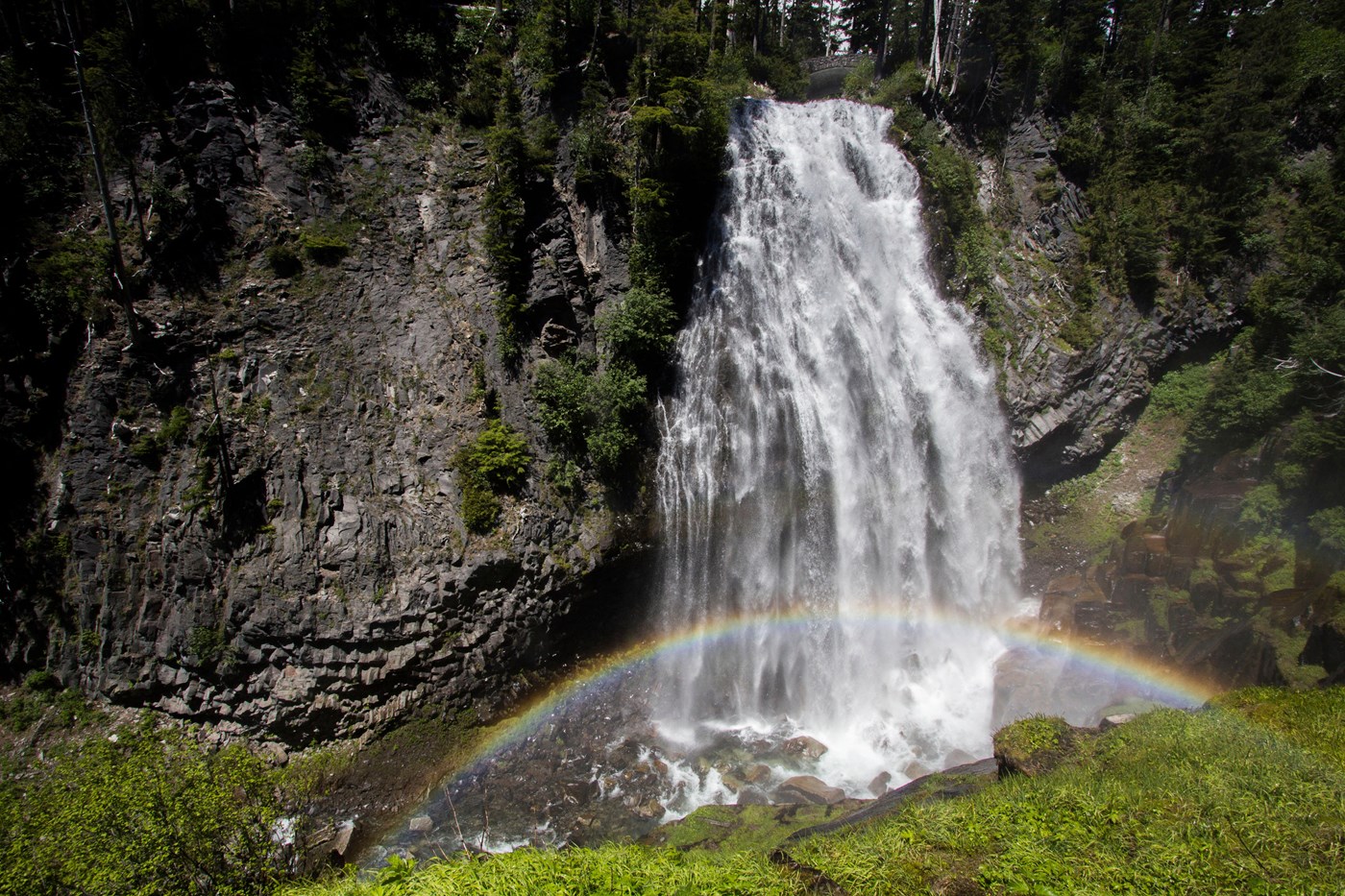
Mount Rainier National Park is a National Park in Washington. This guide combines the park's official information with computed sunrise, sunset and Milky Way times, satellite climate data and 106 photo locations inside or next to the park.
Best photo spots in Mount Rainier
We matched 106 named overlooks, waterfalls, peaks and other features to Mount Rainier. Each has its own page with sun directions and a monthly golden hour table.
Scenic Viewpoints (3)
Waterfalls (49)
 Waterfall
 Waterfall
 Waterfall
 Waterfall
 Waterfall
 Waterfall
 Waterfall
 Waterfall
 Waterfall
 WaterfallWaterfallWaterfall
Natural Arches (2)
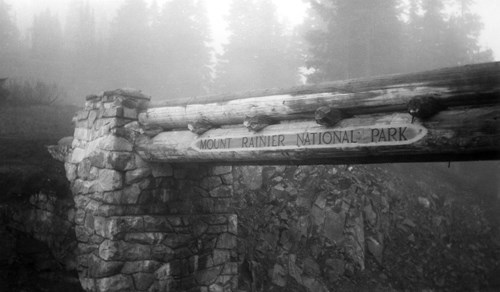
Mountain Peaks (10)
 Mountain Peak
 Mountain Peak
 Mountain Peak
 Mountain Peak
 Mountain Peak
 Mountain Peak
 Mountain Peak
 Mountain Peak
 Mountain Peak
 Mountain Peak
Lakes (5)


Canyons (1)
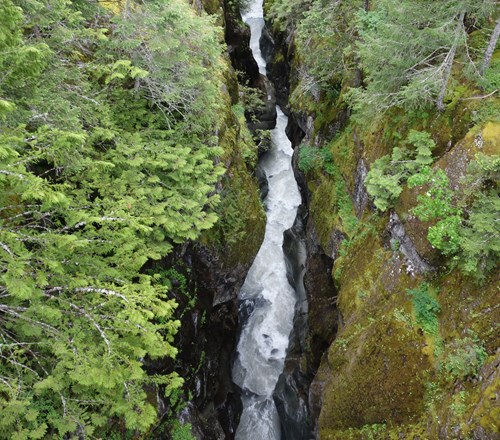
Hot Springs (1)
Glaciers (18)
 Glacier
 Glacier
 Glacier
 Glacier
 Glacier
 Glacier
 Glacier
 Glacier
 Glacier
 Glacier
 Glacier
 Glacier
Caves (1)

Mountain Passes (3)


Volcanoes (2)

Fire Lookouts (6)
 Fire Lookout
 Fire Lookout
 Fire Lookout
 Fire Lookout
 Fire Lookout
 Fire Lookout
Wilderness Areas (5)
 Wilderness Area
 Wilderness Area
 Wilderness Area
 Wilderness Area
 Wilderness Area
Sunrise, sunset & golden hour
At Mount Rainier the sunrise point swings a long way through the year: about 54° (NE) at the June solstice and 125° (SE) in late December. Sunset moves from 307° (NW) in June to 236° (SW) in December, and the midday sun climbs to 67° in summer but only 20° in winter.
| Month (15th) | Sunrise | Golden hour ends | Golden hour starts | Sunset | Sunset az. | Daylight |
|---|---|---|---|---|---|---|
| January | 7:48 AM | 8:37 AM | 3:56 PM | 4:45 PM | 239° | 8h 57m |
| February | 7:12 AM | 7:55 AM | 4:49 PM | 5:32 PM | 253° | 10h 20m |
| March | 7:20 AM | 8:01 AM | 6:32 PM | 7:13 PM | 268° | 11h 52m |
| April | 6:20 AM | 7:01 AM | 7:14 PM | 7:55 PM | 286° | 13h 35m |
| May | 5:33 AM | 6:17 AM | 7:51 PM | 8:35 PM | 300° | 15h 03m |
| June | 5:13 AM | 6:00 AM | 8:16 PM | 9:04 PM | 307° | 15h 51m |
| July | 5:28 AM | 6:14 AM | 8:13 PM | 8:59 PM | 304° | 15h 30m |
| August | 6:05 AM | 6:47 AM | 7:37 PM | 8:19 PM | 292° | 14h 14m |
| September | 6:45 AM | 7:25 AM | 6:40 PM | 7:20 PM | 275° | 12h 35m |
| October | 7:25 AM | 8:07 AM | 5:40 PM | 6:21 PM | 258° | 10h 56m |
| November | 7:11 AM | 7:57 AM | 3:47 PM | 4:34 PM | 243° | 9h 23m |
| December | 7:46 AM | 8:38 AM | 3:28 PM | 4:19 PM | 236° | 8h 33m |
Computed for the park's reference point (46.8608, -121.7044); large parks span several minutes of difference.
Milky Way & dark skies
From Mount Rainier, the Milky Way core is visible in a dark sky from April through August. June gives the longest window (about 2.3 hours on a moonless night), and the core peaks around 14° above the southern horizon. Our light-pollution model puts the sky at about Bortle 3 (rural sky), good enough for detailed Milky Way images.
| Month | Core visible (15th) | Hours | Max altitude |
|---|---|---|---|
| January | Not visible in darkness | — | — |
| February | Not visible in darkness | — | — |
| March | 5:24 AM – 5:34 AM | 0.2 | 11° |
| April | 3:27 AM – 4:17 AM | 0.8 | 13° |
| May | 1:33 AM – 3:03 AM | 1.5 | 14° |
| June | 11:55 PM – 2:15 AM | 2.3 | 14° |
| July | 11:32 PM – 1:12 AM | 1.7 | 14° |
| August | 10:20 PM – 11:10 PM | 0.8 | 13° |
| September | 9:05 PM – 9:05 PM | 0.0 | 10° |
| October | Not visible in darkness | — | — |
| November | Not visible in darkness | — | — |
| December | Not visible in darkness | — | — |
3 Estimated Bortle 3 — Rural sky. Some light domes sit on the horizon, but the Milky Way still looks complex overhead.
Weather & best time to visit
Weather patterns at Mount Rainier are strongly influenced by the Pacific Ocean and elevation. The climate is generally cool and rainy, with summer highs in the 60s and 70s. While July and August are the sunniest months of the year, rain is very likely in spring, fall, and winter. Visitors should be aware that mountain weather is very changeable. In the higher elevations, like Paradise, winter can last from November to May with many feet of snow on the ground.
Weather overview: National Park Service.
Long-term NASA satellite data for this area show July as the clearest month (about 29% average cloud cover) and January as the cloudiest (75%). August is the warmest month and December the coldest, which matters for gear, snow access and how long batteries last at night.
Average cloud cover (%)
Average high (°F)
Photography permits, drones & fees
Permits. Under federal law (54 U.S.C. 100905), still photography in National Park Service areas needs a permit only when it (1) takes place where members of the public are not allowed, (2) uses models, sets or props that are not part of the location's natural or cultural resources or administrative facilities, or (3) would cause the park to incur additional administrative costs to monitor the activity. Ordinary visitor and most landscape photography needs no permit. Commercial filming rules are separate and have changed in recent years — confirm current requirements with the park before a paid shoot.
Drones. Launching, landing or operating unmanned aircraft (drones) is prohibited in National Park Service units under a 2014 Superintendent's closure (36 CFR 1.5), except where a park has issued specific written approval. Flying from outside the boundary over park land can also violate park rules and disturb wildlife.
| Entrance fee | Cost (USD) |
|---|---|
| Entrance - Private Vehicle | $30.00 |
| Entrance - Per Person | $15.00 |
| Entrance - Motorcycle | $25.00 |
| Commercial Entrance - Mini-bus | $100.00 |
Fees as published by the NPS when this page was built — confirm on nps.gov before you go.
Getting there
Mount Rainier National Park is located in west-central Washington state. Several major cities in Washington- Seattle, Tacoma, and Yakima- and Portland, Oregon, are within 200 miles of the park. For GPS to Nisqually Entrance use: 39000 State Route 706 E, Ashford, WA 98304.
Directions: National Park Service.
Activities
- Auto and ATV
- Scenic Driving
- Astronomy
- Stargazing
- Biking
- Camping
- Backcountry Camping
- Car or Front Country Camping
- Group Camping
- Climbing
- Mountain Climbing
- Fishing
- Freshwater Fishing
- Food
- Dining
- Picnicking
- Guided Tours
- Self-Guided Tours - Walking
- Self-Guided Tours - Auto
- Hands-On
- Citizen Science
- Hiking
- Backcountry Hiking
- Front-Country Hiking
Nearby parks
 WA
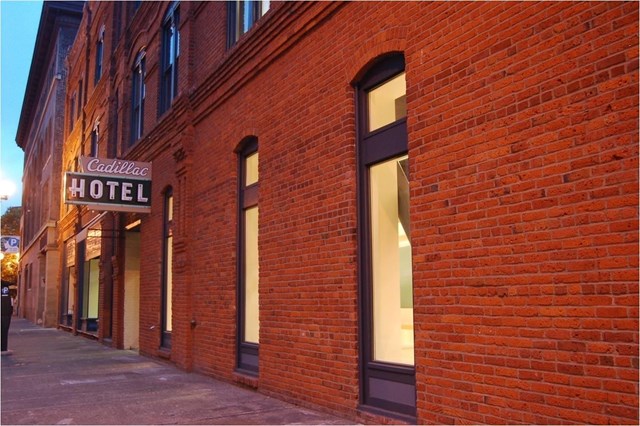 WA
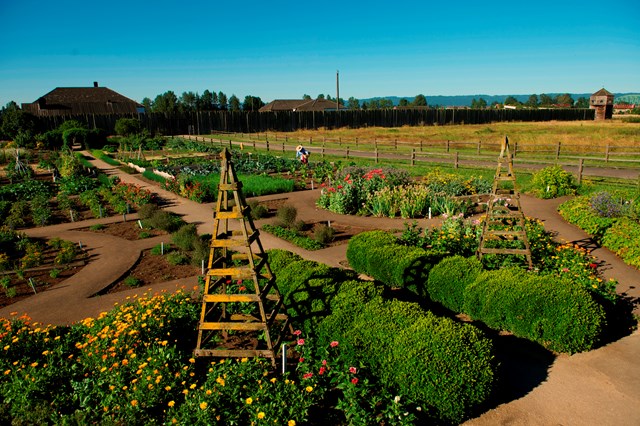 OR/WA
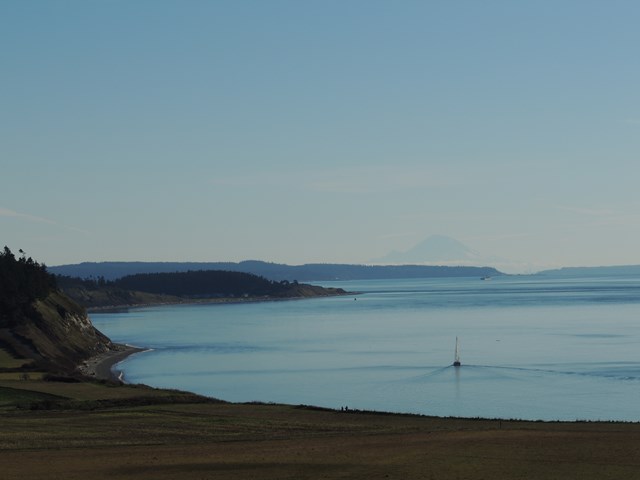 WA
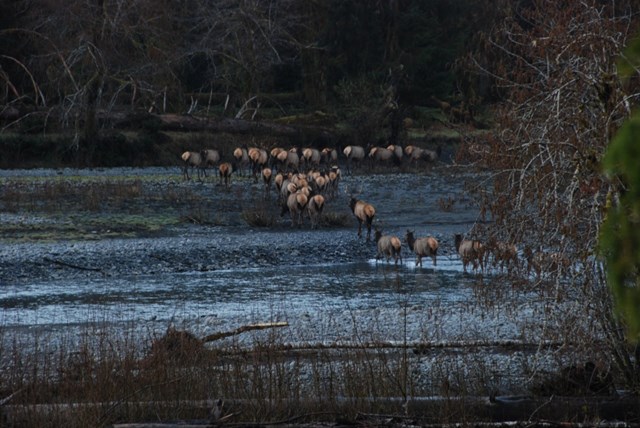 WA
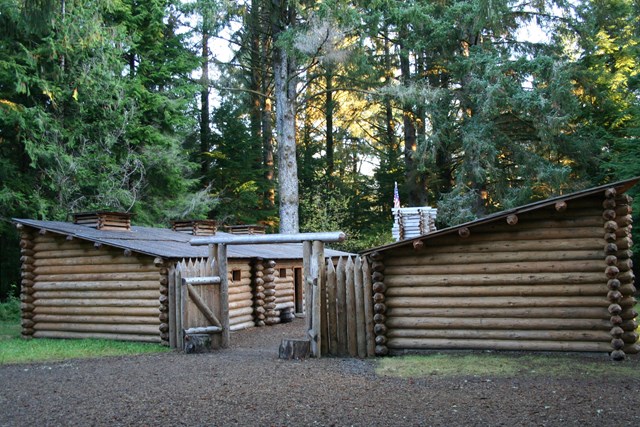 OR/WA