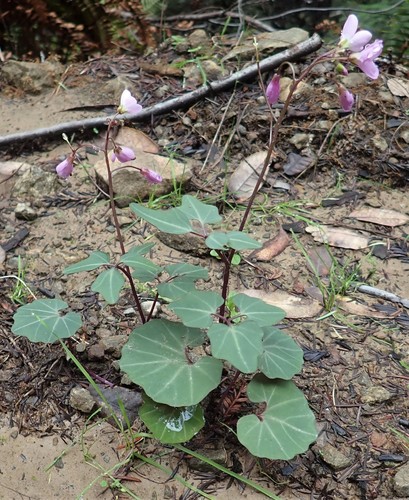
Milkmaids (Cardamine californica) is in the mustard family family (Brassicaceae). Across the U.S., iNaturalist users have logged 3,843 research-grade flowering observations of it in our sample, peaking in February.
Nationally it blooms mainly from January to April, but timing varies a lot by state and elevation — see the table below.
When to photograph Milkmaids: observations by month (U.S.)
About Milkmaids
Cardamine californica (Milkmaids) (also Dentaria californica) is a flowering plant in the family Brassicaceae, native to western North America from Washington to California and Baja California. It is common in a variety of habitats including shady slopes, open woodlands, chaparral and grasslands in the winter and early spring. In the San Francisco Bay Area, it is one of the first wildflowers to bloom, with blossoms from January to May.From Wikipedia via iNaturalist — article, CC BY-SA.
Milkmaids by state
| State | Observations | Peak month | Main season |
|---|---|---|---|
| California | 3,815 | February | Jan–Apr |
| Oregon | 28 | March | Mar–Apr |
Main season = months with at least 30% of the state's peak-month count.
Related wildflowers (mustard family)
Garlic Mustard
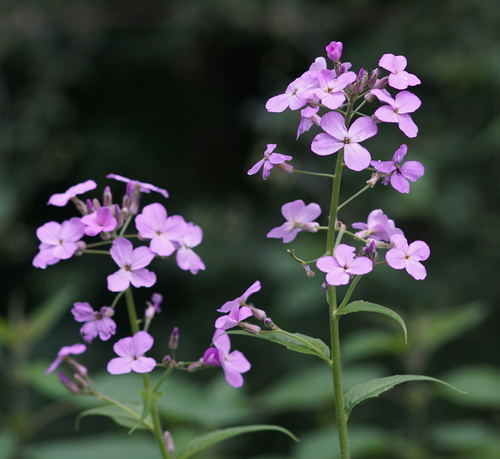
Dame's Rocket
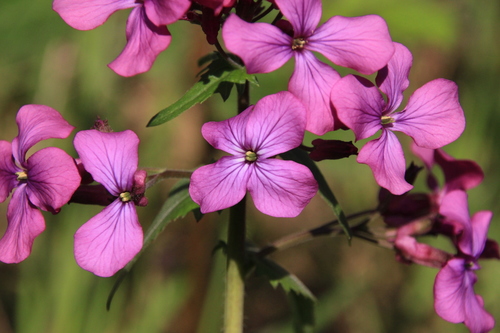
Annual Honesty
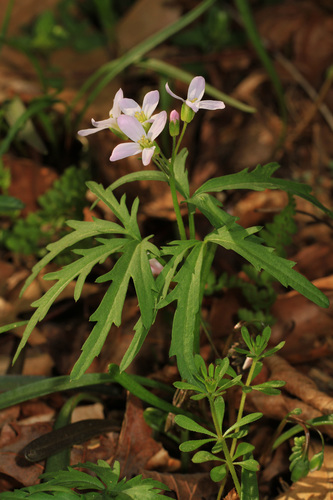
Cut-Leaved Toothwort
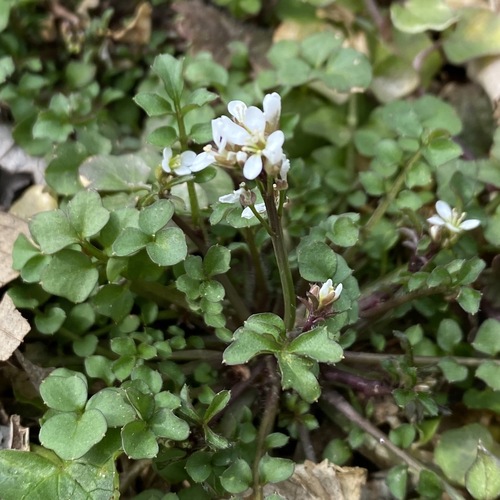
Hairy Bittercress
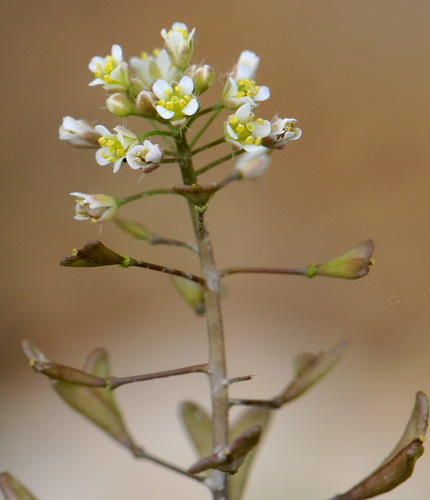
Shepherd's-Purse
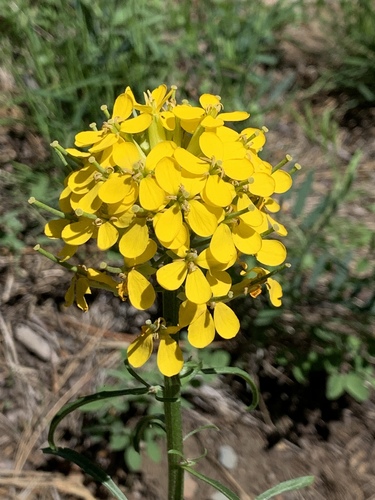
Western Wallflower
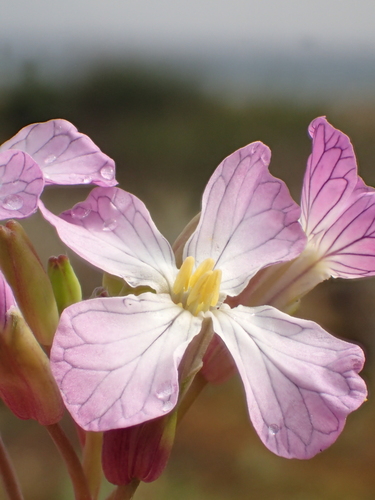
Wild radish
Photography tips
- Photograph flowers on calm, overcast mornings to avoid wind blur and harsh shadows.
- Get low: a shallow depth of field (f/2.8–f/5.6) isolates a bloom against soft color.
- Stay on trails — trampling meadows kills plants and ruins next year's display.
- Try a kaleidoscope abstract of a single bloom with our online kaleidoscope tool.
FAQ
When is the best time to photograph Milkmaids?
Nationally, February has the most observations, with the main season from January to April.
Where is Milkmaids most often seen?
The most observations come from California, Oregon.